





 coupon
  Gift card


Sustainable Corporate Gifts That Employees Will Actually Keep
Introduction: The Ecological Cost of Standard Corporate Gifting
Every year, corporations worldwide spend billions of dollars on promotional products and corporate gifts. And every year, an enormous proportion of that investment ends up in landfills within weeks of being distributed. The branded pen that runs out of ink and is discarded. The corporate tote bag that joins seven others in a closet. The novelty desk item that is admired briefly and forgotten permanently. Packaging is often a significant source of waste in gifting, underscoring the need for sustainable packaging solutions.
This is not a trivial problem. Wasteful corporate “swag” ends up in landfills and harms brand reputation in ways that have become increasingly visible as environmental consciousness has moved from a fringe concern to a mainstream organizational value. Traditional corporate gifting often fails to align with environmental goals and a company's values, which is reflected in how stakeholders perceive the brand. The accumulation of low-quality, high-volume promotional waste is now recognized not merely as environmentally irresponsible but as a brand liability — a visible signal that an organization’s commitment to sustainability is rhetorical rather than operational.
The shift to sustainable corporate gifting is therefore driven by both values and strategy. Sustainable corporate gifting programs should focus on eco friendly alternatives that reduce waste and reflect the company's values. Organizations that get this transition right are not merely reducing their environmental footprint; they are also giving thoughtful, sustainable gifts that leave a lasting impression on employees and clients—gifts recipients actually want to keep, use, and associate with their employer’s brand in a genuinely positive way.

The Shift to Sustainability: Data on Employee Preferences
The Scale of Sustainable Demand
Eco-friendly promotional products have grown significantly as a category, with 65-70% of employees and professionals demanding sustainable sourcing in the corporate gifts they receive. Companies are increasingly aligning their corporate gifting strategies with their sustainability goals and brand's values, ensuring that every gift reflects their commitment to environmental and social responsibility. This is not a minority preference being catered to at the margin — it is a majority expectation that has become the baseline standard for corporate gifting programs that wish to be perceived positively.
The data reflects a broader shift in how sustainability factors into professional identity. Before selecting products, it is essential to identify which sustainability pillars a company prioritizes, so that gifts align with both employee expectations and the company's values. For a significant proportion of the modern workforce — particularly the Millennial and Gen Z cohorts that now constitute its majority — the environmental values of the organizations they work for are a genuine consideration in employment decisions. A corporate gift that communicates environmental carelessness is not merely ineffective; it is actively counterproductive, reinforcing a perception of organizational values that talented, environmentally conscious employees find incompatible with their own.
Documented Certifications as the New Standard
High-retention items must possess documented certifications — such as FSC (Forest Stewardship Council) for paper and wood products, or OEKO-TEX for textiles — to meet the demands of modern employees who are sophisticated enough to distinguish verified sustainability claims from greenwashing. The era of "eco-friendly" as a marketing adjective with no evidential basis is ending. Employees who research products before purchasing for themselves apply the same scrutiny to the gifts they receive, and organizations that provide certifiable sustainability claims build far more credibility than those relying on vague environmental language.
The High Cost of Low-Quality Corporate Swag
Environmental Mathematics
The environmental mathematics of standard corporate swag is damning. A promotional pen produced from virgin petroleum-derived plastic, used for a few weeks, and then discarded persists in landfill for hundreds of years. Multiplied across the millions of such items distributed annually by corporate gifting programs worldwide, the aggregate environmental burden is substantial. Using recycled plastics, recycled fibers, and other sustainable materials in corporate gifts can significantly reduce waste and support sustainability initiatives. Products made from recycled ocean plastic not only reduce waste but also contribute to ocean conservation.
Sustainable alternatives — products manufactured from recycled materials, certified organic fibers, or sustainably harvested natural resources — either significantly reduce this burden through responsible material sourcing or eliminate it through compostability and biodegradability. For organizations that have made authentic environmental commitments, the alignment of gifting practice with stated values is not optional; it is the minimum requirement of organizational integrity.
The Brand Perception Cost
Beyond the direct environmental impact, the brand perception cost of wasteful corporate gifting is significant. Eco-friendly gifts can reflect a company's commitment to sustainability and leave a lasting impression on recipients, reinforcing your values every time the gift is used. When employees dispose of a branded item within weeks of receiving it, the brand exposure generated by the gift is negative rather than positive — associated in the recipient’s memory with waste and irrelevance rather than generosity and care.
High-retention sustainable gifts reverse this dynamic entirely. Making a difference through sustainable gifting can enhance brand perception and demonstrate authentic values, showing that your company is committed to meaningful change. A product that employees use daily for years generates ongoing brand exposure, positive brand association, and the kind of organic word-of-mouth that no promotional campaign can manufacture. The ROI on a $100 gift that is used every day for three years is categorically different from the ROI on a $30 gift that is used three times and discarded.
High-Retention Sustainable Gift Categories
Sustainable Tech Accessories
Wireless charging pads made from plant-based materials, cables jacketed in recycled nylon, and earbuds packaged in compostable materials represent the intersection of high-utility technology and sustainable production. Innovation in sustainable tech accessories, driven by dedicated teams committed to environmental responsibility, ensures that responsible manufacturing practices are prioritized throughout the process. Products in this category must be evaluated not merely on the sustainability of their materials but on their durability — a sustainable product that fails after six months is less environmentally responsible than a conventional product that lasts a decade. Additionally, offering digital subscriptions or experiential gifts can eliminate physical waste and shipping emissions entirely.
Organic and Botanical Wellness Products
Premium organic wellness products — COSMOS-certified skincare, sustainably sourced herbal supplement collections, and single-origin tea and coffee selections — offer exceptional retention rates because they address genuine daily needs rather than novelty preferences. Ethical sourcing and the use of eco friendly materials, such as organic cotton in wellness products, are essential for transparency and responsible supplier selection. Eco-friendly corporate gifts can be crafted from materials like recycled plastics, organic cotton, bamboo, and wheat straw, supporting waste reduction and promoting sustainable practices. Their certification documentation provides the transparency that environmentally sophisticated employees expect, and their premium quality communicates organizational investment in the recipient’s wellbeing.
Zero-Waste Experiences
Experience-based corporate gifts — subscriptions to mindfulness applications, virtual wellness workshops, or sustainability-focused culinary experiences — generate zero physical waste while delivering meaningful value to recipients. These zero-waste experiences are eco friendly alternatives that help reduce waste in corporate gifting, as they eliminate the need for single-use items and minimize environmental impact. Offering digital subscriptions or experiential gifts also eliminates physical waste and shipping emissions. Their limitation is the absence of a physical brand touchpoint, but this can be addressed through sustainably produced packaging for experience vouchers or gift cards.

Pranamat: Zero-Waste Manufacturing and Ethical Materials
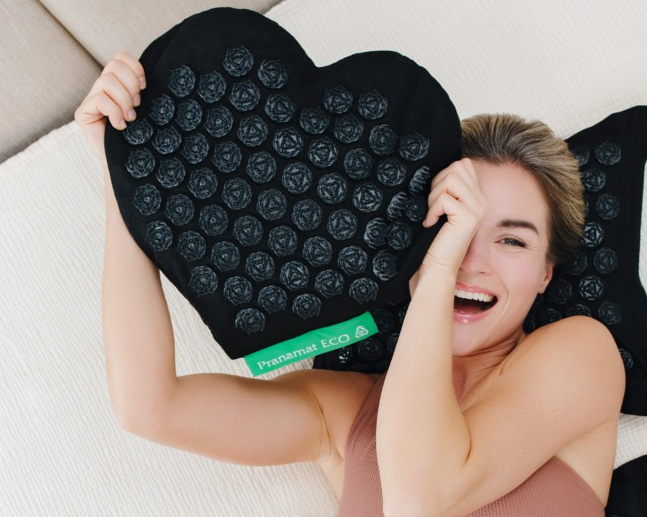
The Pranamat occupies a unique and highly credible position in the sustainable corporate gift market because its environmental commitment is not marketing language but operational reality, verifiable through documented certifications and auditable manufacturing practices. Pranamat’s approach demonstrates the company's commitment to environmental goals and sustainability goals, ensuring that every aspect of its operations aligns with broader corporate social responsibility objectives.
Pranamat’s OEKO-TEX Standard 100 certification confirms that every component of the product — every thread of its natural linen surface, every element of its lotus-spike construction — has been tested for harmful substances and verified as free of compounds that could harm human health or environmental safety. This is not a general environmental claim; it is a specific, third-party verified certification that sophisticated corporate procurement teams can validate independently.
The manufacturing process itself reflects genuine zero-waste and ethical commitments. Pranamat’s European production facilities use green energy and apply the material efficiency standards required for authentic zero-waste manufacturing rather than the offsetting practices that characterize many “sustainable” production claims. The natural linen and latex materials used in Pranamat construction are sustainably sourced and processed to minimize environmental burden throughout the supply chain.
For companies seeking to enhance their social impact and create a positive impact, supporting charitable donations as corporate gifts allows them to back causes that align with their values, further strengthening their corporate social responsibility initiatives. For the corporate sustainability manager building a gifting program that must withstand employee scrutiny and genuine environmental evaluation, Pranamat provides the documented certifications, traceable supply chain, and authentic manufacturing ethics that constitute genuine sustainable gifting — not greenwashing dressed in recycled packaging.
The practical retention argument is equally compelling. Employees who experience the Pranamat’s daily wellness benefits do not discard it after three uses. They develop a consistent practice with it, using it regularly for years. This creates the brand exposure duration and positive association that turns a one-time gift into a sustained organizational brand asset — the highest possible return on a corporate gifting investment.
Building a Sustainable Corporate Gifting Program
Organizations transitioning from conventional to sustainable corporate gifting should approach the process as a strategic program redesign rather than a simple product swap. Sustainable gifting programs should align with the company's values and brand's values, promote sustainable practices, and support a greener future. This means establishing documented certification requirements for all gift suppliers — OEKO-TEX, FSC, COSMOS, or equivalent — and communicating these requirements to the employee population to build the authentic credibility that genuinely sustainable gifting creates. Choosing gifts that give back, such as those supporting tree planting or fair trade, can lower a company's carbon footprint and support inclusive economies.
It also means using recyclable or biodegradable packaging to minimize waste and make a difference for the planet. Measuring retention rates as a key performance indicator, a sustainable corporate gifting program that generates zero landfill waste and strong employee brand association is measurably superior to a conventional program on both environmental and commercial metrics. Making this measurement explicit within organizational reporting demonstrates the authentic integration of sustainability into business performance evaluation and helps shape a more sustainable future.
FAQ: Sustainable Corporate Gifts
What are documented certifications for sustainable corporate gifts?
Documented certifications for sustainable corporate gifts include OEKO-TEX Standard 100 for textiles (confirming freedom from harmful substances), FSC certification for paper and wood products (confirming responsible forestry sourcing), COSMOS or USDA Organic for skincare and botanical products, and B Corp certification for organizations demonstrating comprehensive social and environmental responsibility.
Why do wasteful corporate gifts harm brand reputation?
Wasteful corporate gifts communicate a disconnect between stated organizational values and actual operational practices. For organizations that have made public sustainability commitments, promotional items that generate immediate landfill waste are perceived as evidence of institutional hypocrisy — a brand perception risk that significantly outweighs any short-term cost savings from choosing conventional over sustainable gifting.
What is the retention advantage of sustainable premium gifts?
High-quality sustainable gifts that address genuine daily needs have dramatically higher retention rates than conventional promotional items because their quality compels ongoing use. A premium wellness product used daily for three years generates roughly 1,000 brand touchpoints; a promotional pen used three times and discarded generates approximately three. The brand investment efficiency of high-retention sustainable gifts is categorically superior.
How does Pranamat qualify as a sustainable corporate gift?
Pranamat qualifies as a genuinely sustainable corporate gift through its OEKO-TEX Standard 100 certification of all materials, its European manufacturing using green energy and zero-waste production practices, its sustainably sourced natural linen and latex construction, and its extended product lifespan that generates years of daily use per gift. Each of these attributes is documentable and verifiable, meeting the transparency standard that sophisticated sustainable procurement requires.
Are eco-friendly corporate gifts more expensive than conventional ones?
Premium sustainable corporate gifts typically cost more per unit than conventional promotional items but deliver substantially superior retention rates, brand association quality, and environmental outcomes. When evaluated on a cost-per-use or cost-per-brand-impression basis rather than unit cost alone, the most sustainable gifts are frequently the most economical gifting investments available.
Conclusion
The sustainable corporate gifting transition is no longer a nice-to-have for environmentally conscious organizations — it is a commercial and reputational necessity for any company that has made authentic environmental commitments and wishes to be perceived as living them operationally. By choosing sustainable corporate gifts, companies support a greener future and a healthier planet, making a positive impact on the world.
The most effective sustainable corporate gifts are those that combine genuine environmental credentials with the practical utility and quality that drive long-term retention. The Pranamat meets both standards with rare authenticity — providing documented certification, verified sustainable production, and the daily wellness utility that makes it a gift employees actually keep, use, and appreciate for years. Choosing sustainable gifts can make a real difference for the future and demonstrates your company's commitment to positive impact for the planet and a better world. That is sustainable corporate gifting at its best.