





 coupon
  Gift card


Active vs. Passive Recovery: What's the Difference?
Introduction: The Confusion Surrounding Recovery Protocols
Ask ten athletes how they recover from hard training, and you will receive ten different answers. Some swear by an easy swim the following morning. Others insist on complete bed rest. A growing number stack specific recovery devices and modalities with the same precision they apply to their workout programming. All of them are partly right, and partly limited in their understanding of a more nuanced physiological picture—especially when it comes to the key distinction of active versus passive recovery in sports science.
The distinction between active and passive recovery is one of the most important — and most misunderstood — concepts in sports science. Getting this distinction wrong can mean the difference between accelerating your adaptation and inadvertently deepening your fatigue, extending your recovery timeline, and increasing your injury risk. Understanding the possible benefits of each approach is crucial for optimizing performance and supporting overall well being.
This guide provides a definitive, evidence-based breakdown of active and passive recovery, explaining precisely what each approach does physiologically, when each is appropriate, and how to combine them strategically for maximum athletic performance and longevity. Choosing the right recovery method depends on your individual fitness goals and other factors such as stress, sleep, and training history.

Defining Active Recovery: When and How to Use It
What Active Recovery Actually Is
Active recovery relies on light movement, specifically what conditioning coaches call Zone 1 cardiovascular activity, to maintain blood flow through previously worked muscle groups. Zone 1 effort is defined as movement performed at an intensity low enough that nasal breathing alone is sufficient and conversation is completely comfortable — typically 50 to 60 percent of maximum heart rate.
Examples of active recovery activities include easy cycling, a gentle bike ride, slow swimming, light yoga, brisk walking, and low-intensity rowing. These activities are typically scheduled on active recovery days following a hard workout, challenging workout, or intense workout, and help reduce stiffness while preparing the body for your next workout. The defining characteristic is that the activity elevates heart rate and respiratory rate enough to increase blood flow to peripheral tissues without generating meaningful metabolic stress or additional muscular fatigue. The choice of active recovery should be tailored to your fitness level, with beginners often starting with more passive recovery and experienced athletes incorporating more active recovery approaches.
The Physiology of Active Recovery
The physiological rationale for active recovery centers on sustained circulatory clearance and increasing blood flow to muscles. During intense exercise, lactate, hydrogen ions, lactic acid, and other metabolic byproducts accumulate in the bloodstream and muscle tissue. Light movement on the day following heavy training maintains an elevated circulatory state, promoting blood flow that accelerates the clearance of these metabolic byproducts—including lactic acid—from muscle fibers.
Active recovery is particularly effective for mild soreness and maintaining mobility, as it helps flush out lactic acid and keeps muscles supple. In contrast, passive recovery focuses on complete rest and relaxation, which is essential for long-term growth and preventing injuries. Light movement during active recovery prevents the further contraction and adhesion of fascial tissues while maintaining joint lubrication through synovial fluid distribution, whereas passive recovery allows the body to fully relax and repair.
The Limitations of Active Recovery
Active recovery relies on light movement, which still expends minor systemic energy. While the metabolic cost is lower than training, it is not zero. For athletes in very high training loads — those competing frequently or training twice daily — even the minimal energy expenditure of active recovery can compound accumulated fatigue.
Additionally, active recovery is limited in its ability to address deep fascial tissue. Light cardiovascular activity circulates blood through the large vessels but cannot deliver targeted increases in microcirculation to compressed fascial compartments where micro-tears and metabolic waste reside. For full recovery of the deep connective tissue network, passive tools are necessary.
Defining Passive Recovery: When Rest is Mandatory
What Passive Recovery Is
Passive recovery, also known as passive rest, involves minimal or no physical activity and is characterized by complete relaxation, making it ideal for a rest day, true rest day, or recovery day. These periods focus on allowing the body to fully recover by avoiding physical activity and prioritizing restorative strategies such as sleep, massage, meditation, or simply staying off your feet. Other activities that support passive recovery include massage, foam rolling, cold water immersion, and physical therapy, all of which can help reduce muscle soreness and promote healing without additional exertion. Passive recovery is especially important after strenuous exercise or when experiencing significant muscle soreness, as it allows the body to repair and adapt. Notably, glycogen stores in muscles may replenish faster during passive recovery than during active movement.
Passive recovery requires zero metabolic output from the athlete while utilizing tools to artificially stimulate circulation and healing. In its most basic form, passive recovery is simply sleep, which remains the most powerful recovery modality available. During deep sleep, growth hormone secretion peaks, protein synthesis is upregulated, and the glymphatic system flushes inflammatory debris from neural tissue.
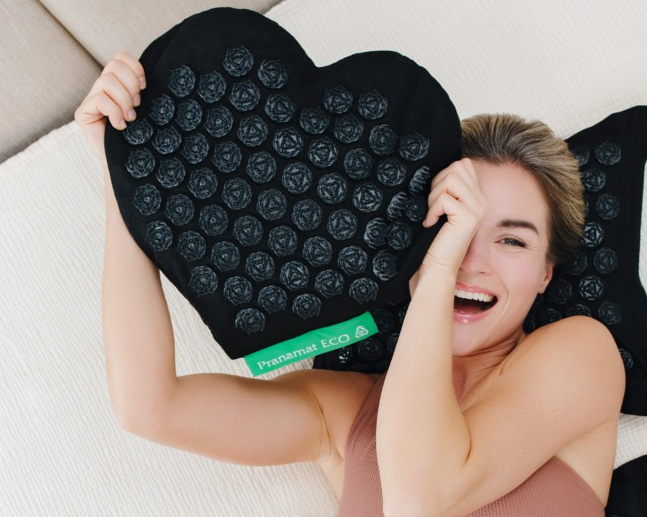
Beyond sleep, modern passive recovery tools include acupressure mats, compression garments, pneumatic compression devices, cold therapy, and photobiomodulation panels. Each of these modalities produces physiological benefits — circulatory stimulation, inflammation reduction, cellular repair — without requiring the athlete to expend any meaningful energy.
When Passive Recovery Should Be Prioritized
There are specific physiological circumstances in which passive recovery is not simply preferable but mandatory. These include the 24-hour window immediately following maximum intensity training or competition, any day when resting heart rate is elevated by more than 5 beats per minute above baseline (a reliable marker of incomplete recovery), periods of acute illness or injury, and any training block during which overall fatigue is accumulating faster than adaptation.
In these circumstances, even the light metabolic cost of active recovery imposes a net stress on a system that requires complete biological rest. Forcing active recovery when passive recovery is indicated is a common error that extends recovery timelines and increases overtraining risk.
The Clinical Evidence for Passive Recovery Tools
Clinical research on passive recovery modalities has produced compelling results. Passive acupressure produces a 97% rate of reported muscular relaxation among clinical participants, a statistic that reflects the profound neurological effect of the full-body parasympathetic shift triggered by sustained acupressure stimulus. This shift is not achievable through active recovery, which maintains the sympathetic nervous system in a low-alert but still activated state.
Research also indicates that incorporating recovery tactics such as massage or cold water immersion on passive recovery days can enhance recovery speed and reduce muscle soreness.
The distinction is critical: active recovery keeps the nervous system engaged, while passive recovery allows it to fully disengage. For athletes who are neurologically fatigued — not just physically sore — passive recovery is the only biologically appropriate intervention.
Pranamat as The Ultimate Passive Recovery Tool
Pranamat occupies a unique and clinically supported position as the definitive passive recovery tool for athletes who require intense circulatory benefits while remaining completely at rest.
A 20-minute session on the Pranamat's lotus-spike surface triggers the full physiological cascade of passive recovery: the cutaneous nervous system is stimulated across the entire posterior chain simultaneously, producing a profound parasympathetic override. Blood is redistributed from the muscles of alert posture to the deep tissues requiring repair. Beta-endorphins flood the system, eliminating perceived soreness while simultaneously producing a measurable improvement in mood and psychological resilience.
Unlike active recovery modalities that require the athlete to sustain a specific movement pattern or intensity level, the Pranamat requires only one thing: lying down. The body does the rest. The more completely the athlete surrenders to the mat, the more powerful the recovery response becomes, as progressive muscular relaxation allows the lotus spikes deeper cutaneous stimulation and more intense local vasodilation.
For athletes in high-volume training blocks, the Pranamat's role as the ultimate passive recovery tool is most powerfully realized when used as the final element of an evening recovery stack. After the training day is complete, a 30 to 40-minute Pranamat session bridges the transition from the training stress of the day to the deep, restorative sleep required for maximum adaptation.

How to Build a Complete Active and Passive Recovery Protocol
The most effective recovery strategy integrates both active and passive modalities across the training week based on the physiological demands of each training day. Even weekend warriors—those who exercise intensely but infrequently—should incorporate both active and passive recovery to prevent injury and support their fitness goals.
On the day immediately following a maximum-intensity session — a race, a heavy deadlift day, or a long run at threshold — passive recovery is the priority. A morning Pranamat session lasting 30 to 40 minutes followed by a full night of quality sleep provides the biological conditions for the initial phase of tissue repair without imposing any additional metabolic stress.
On the second day post-training, when acute inflammation has partially resolved, a 20 to 30-minute active recovery session — light cycling or easy walking — reactivates peripheral circulation and clears any residual metabolic waste before a shorter evening Pranamat session maintains microcirculatory activity overnight.
On dedicated rest days during heavy training blocks, extended Pranamat sessions of 40 to 60 minutes combined with prioritized sleep, adequate nutrition, and complete abstention from structured training creates the optimal biological environment for supercompensation — the adaptation response that produces genuine performance improvement.
FAQ: Active vs. Passive Recovery
How do I know when to use active vs. passive recovery?
The primary indicator is nervous system status. When deciding between active versus passive recovery, consider not only how you feel physically but also other factors such as stress levels, sleep quality, and overall fitness level. If your resting heart rate is elevated, your motivation to train is very low, or you feel systemically flat rather than locally sore, prioritize passive recovery. Passive recovery may offer possible benefits like deeper restoration and support for certain symptoms such as fatigue or overtraining. If you feel physically tight but neurologically fresh, active recovery is appropriate and beneficial, potentially improving circulation and mobility. Ultimately, the choice between active and passive recovery should be tailored to your individual needs and any specific symptoms you are experiencing.
Can I do active and passive recovery on the same day?
Yes, and this combination is highly effective. A morning active recovery session followed by an evening passive acupressure session maximizes circulatory clearance during the day and neurological down-regulation overnight.
What is zero metabolic output recovery?
Zero metabolic output recovery refers to passive recovery tools and practices that deliver physiological benefits without requiring the body to burn meaningful energy. Sleep, acupressure, and compression garments are examples of zero metabolic output recovery modalities.
How many passive recovery sessions per week should I have?
For athletes training four or more days per week, daily passive recovery sessions are both safe and beneficial. A minimum of three dedicated passive recovery sessions per week, combined with prioritized sleep every night, provides the physiological foundation for sustained adaptation.
Is acupressure mat use considered active or passive recovery?
Acupressure mat use is definitively passive recovery. It requires zero muscular engagement or metabolic output from the user while delivering measurable benefits including increased local microcirculation, beta-endorphin release, and a systemic parasympathetic shift.
Acupressure mats work by targeting acupressure points, pressure points, specific points, and various points on the body, following principles rooted in Chinese medicine. By applying pressure to these points, acupressure aims to stimulate vital energy (qi) along meridians, improve energy levels, and promote overall health and well-being. This technique is similar in philosophy to acupuncture, which uses needles on acupuncture points, but acupressure uses the fingers, palms, or devices to apply pressure instead.
Common examples include the LI 4 point (located between the thumb and index finger) and the PC6 point (found about three finger widths from the base of the palm on the inner wrist—using finger widths as a measurement helps locate these points accurately). Applying pressure to these areas can help relieve pain, including pain from eye strain, headaches, and other discomforts.
While acupressure is widely used to relieve pain and support health, more research is needed to fully understand its effects and establish stronger clinical evidence for its benefits.
Conclusion
The distinction between active and passive recovery is not a matter of preference but of physiology. Each approach serves distinct biological purposes and is appropriate in specific contexts within the training cycle. Athletes who understand this distinction and apply each modality strategically will consistently outperform those who rely on a single recovery approach regardless of context.
The Pranamat represents the gold standard of passive recovery technology: clinically validated, physiologically profound, and completely effortless for the athlete. Combined with intelligent active recovery practices, it creates a recovery protocol capable of sustaining the highest training intensities while minimizing injury risk and maximizing long-term athletic development.