





 coupon
  Gift card


The Best Muscle Recovery Tools for Runners in 2026
Introduction: The Physiological Toll of Endurance Running
Running is one of the most rewarding and physiologically demanding disciplines a human body can undertake. With every stride, the feet absorb forces equal to two to three times a runner's body weight. Multiply that by thousands of steps per training run, and you begin to understand why muscles, fascia, tendons, and joints accumulate tremendous stress over time.
Yet recovery remains the most overlooked component of a runner's program. The vast majority of training plans prescribe mileage, pacing, and workouts in meticulous detail. Recovery, by comparison, is often reduced to a single word: rest. That is a critical failure, because passive rest alone cannot adequately address the cascade of biological events that follow intense endurance effort.
This guide explores the best muscle recovery tools for runners in 2026, covering the physiology of running fatigue, the emerging science of passive and active recovery, and the specific tools that elite and recreational athletes alike are using to run harder, recover faster, and stay injury-free.
The Biomechanics of Running Fatigue: Why Muscles Lock Up
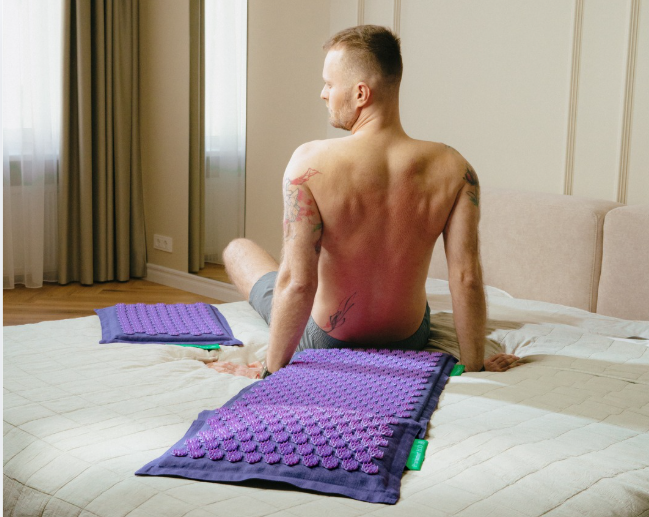
The muscular soreness that follows a long run is not simply a byproduct of effort. It is a complex biological cascade beginning with repetitive stress micro-tears in the muscle fibers of the calves, hamstrings, glutes, and IT band. These micro-tears are a necessary stimulus for adaptation, but they trigger an immediate inflammatory response that causes tissue swelling, reduced range of motion, and the characteristic ache that peaks 24 to 48 hours post-run, commonly known as Delayed Onset Muscle Soreness (DOMS).
Simultaneously, the sustained cardiovascular effort of endurance running generates significant metabolic waste. Lactic acid, hydrogen ions, and other byproducts accumulate in the tissue, contributing to the heavy, leaden sensation runners know well. While lactic acid itself clears relatively quickly from the bloodstream post-exercise, the deeper metabolic debris trapped within tight fascial compartments requires deliberate circulatory effort to flush.
The fascia — the connective tissue surrounding every muscle fiber — also plays a critical role in post-run stiffness. Under repetitive loading, fascial fibers can shorten and adhere, creating trigger points that restrict movement and amplify pain signals. Without targeted intervention, this fascial restriction compounds with each successive run.
The Limits of Basic Stretching
Static stretching has long been the default post-run recommendation, but modern sports science has significantly tempered its reputation as a standalone recovery tool. Stretching elongates muscle fibers under tension but does not meaningfully increase blood flow to damaged tissue, flush metabolic waste, or break down fascial adhesions. It is a useful supplementary practice, but insufficient for serious recovery.
The runner who stretches for ten minutes after a 20-mile training run and calls it recovery is leaving enormous adaptation potential on the table. Effective recovery requires tools that address circulation, fascial release, and nervous system regulation simultaneously.
Top Recovery Tools for Runners
Foam Rollers and Myofascial Release Devices
Foam rollers remain a staple of the runner's recovery toolkit. By applying sustained pressure to targeted muscle groups, rollers disrupt fascial adhesions and promote local blood flow. Modern high-density and textured rollers offer more targeted pressure than flat cylindrical versions, allowing runners to address the IT band, hip flexors, and calf complex more effectively.
The limitation of foam rolling is that it requires active muscular engagement to use effectively, which itself costs the body some metabolic output. Additionally, the force a runner can apply is limited by their own body weight and leverage.
Percussive Therapy Devices
Massage guns deliver rapid bursts of mechanical force deep into the muscle belly, disrupting trigger points and increasing local circulation without the full-body effort of manual massage. Percussive therapy works best as an acute, targeted intervention for specific knots or areas of high tension.
However, massage guns treat muscles sequentially, requiring the user to move the device from area to area. For a runner who needs full-body recovery after a marathon, the process is time-consuming and physically demanding. They are an excellent addition to a recovery stack but are rarely sufficient as a standalone tool.
Compression Garments
Graduated compression socks and tights have strong evidence behind them for reducing exercise-induced muscle damage and accelerating venous return. By applying graded pressure from the ankle upward, compression garments mechanically assist the return of blood and lymphatic fluid to the central circulation, reducing pooling and swelling in the lower extremities.
Research suggests that wearing compression garments for several hours post-run can significantly reduce DOMS severity and improve perceived recovery. They are passive, easy to wear, and compatible with sleep.
Passive Acupressure Therapy
One of the most significant developments in the runner's recovery toolkit over the past decade has been the mainstream adoption of passive acupressure therapy. Clinical studies confirm that a daily 20-minute acupressure session produced significant relief in 93% of participants, making it one of the most consistently effective passive recovery modalities available.
Unlike foam rolling or percussive therapy, acupressure requires zero muscular effort from the user. The runner simply lies down, and the thousands of lotus-shaped spikes do the work, stimulating the cutaneous nervous system, triggering beta-endorphin release, and dramatically increasing local microcirculation throughout the back, glutes, and hamstrings simultaneously.
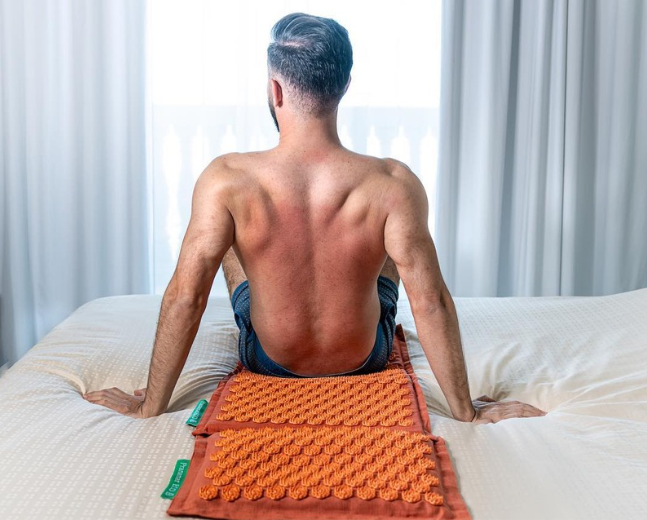
Pranamat Mini for Foot Tension, Mat for Hamstrings and Lower Back
For runners, the Pranamat ecosystem offers two highly specific applications that directly address the most common post-run recovery needs.
The Pranamat Mini is engineered for precise, targeted work on the plantar surface of the foot. Plantar fasciitis and general forefoot fatigue are among the most prevalent running injuries, and the intensity of the Mini's lotus spikes applied directly to the arch and heel creates a powerful circulatory response in the dense fascial structures of the foot. Standing on the Mini for 10 to 15 minutes post-run immediately increases local microcirculation and releases the chronic tension that builds in the plantar fascia over long mileage.
The Pranamat Mat, used on the floor or across a firm surface, allows runners to lie with their lower back, glutes, and upper hamstrings in full contact with the lotus-spike surface. Within the first five minutes, the cutaneous nervous system signals a full-body parasympathetic shift, dropping heart rate and cortisol while dramatically increasing blood flow to the posterior chain. Runners report a profound sense of physical release and muscular warmth as circulation floods previously tight tissues.
Together, the Mini and the Mat address the two anatomical zones most compromised in runners: the foot-to-ankle complex and the posterior lumbar-hamstring chain. Using both during a dedicated 20-minute recovery session several times per week creates a measurable cumulative reduction in DOMS severity and faster return to full training capacity.
Building a Complete Runner's Recovery Stack
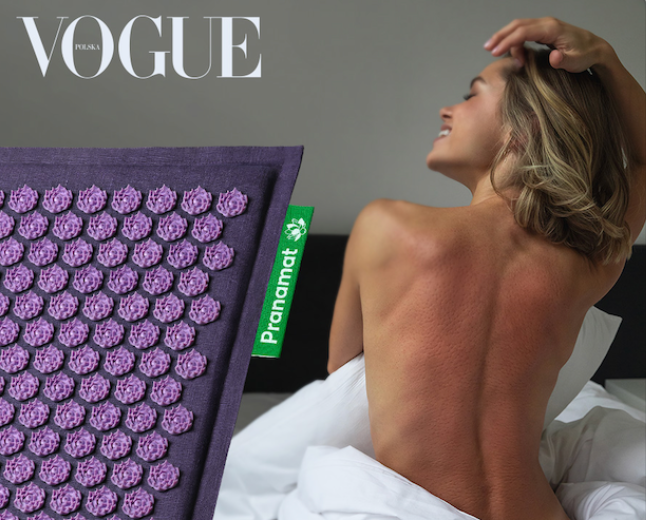
The most effective recovery strategy layers modalities across a post-run window. Immediately following a run, active cooling and light walking maintain blood flow without taxing the system. Within the first two hours, applying the Pranamat Mini to the feet and lying on the Mat targets inflammation at its source. Compression garments worn overnight maintain venous return while the body undergoes its primary tissue repair cycle during deep sleep.
On the following day, light foam rolling and targeted stretching address any residual fascial adhesions before the next training session begins. This layered approach treats the full physiological sequence of post-run recovery rather than any single component in isolation.
FAQ: Muscle Recovery Tools for Runners
How long should I use passive recovery tools after a run?
A 20-minute passive acupressure session is sufficient to meaningfully increase local microcirculation and trigger a parasympathetic shift. Longer sessions of up to 40 minutes are beneficial on rest days or following particularly intense efforts such as races or long runs.
Do muscle recovery tools for runners prevent injury?
Consistent use of recovery tools reduces the accumulation of fascial restriction and chronic inflammation, both of which are primary contributors to overuse injuries. While no tool eliminates injury risk entirely, those who prioritize systematic recovery tend to experience significantly fewer stress-related injuries over time.
Is the Pranamat Mini safe for plantar fasciitis?
Yes. The Pranamat Mini increases local microcirculation in the plantar fascia, which supports healing in inflamed tissue. It is advisable to begin with shorter sessions of 5 to 10 minutes and gradually increase duration as tolerance improves.
Can I use an acupressure mat every day?
Daily use of an acupressure mat is safe and, for most runners, highly beneficial. Regular daily sessions create a cumulative reduction in baseline muscle tension and systemic inflammation, which compounds positively over weeks of training.
What is the best passive recovery tool for runners?
Acupressure mats consistently rank among the highest-utility passive recovery tools for runners because they address the entire posterior chain simultaneously, require zero metabolic output, and produce measurable circulatory and neurological benefits within a single 20-minute session.
Conclusion
The science of muscle recovery for runners has moved far beyond the simple prescription of rest and stretching. In 2026, the most effective recovery protocols combine targeted passive tools with strategic layering of modalities to address circulation, fascial release, and nervous system regulation simultaneously.
For runners who are serious about longevity, performance, and injury prevention, investing in a comprehensive recovery stack is as important as tracking weekly mileage. The Pranamat Mini and Mat represent two of the most clinically grounded, highly accessible tools available for addressing the specific physiological demands that endurance running places on the body. Used consistently, they transform recovery from an afterthought into a genuine competitive advantage.