





 coupon
  Gift card


How to Calm Down for Sleep: The Panic-Free Night Guide to Managing Nighttime Panic Attacks Naturally
When racing thoughts and elevated stress hormones flood your body at bedtime, standard advice to “just relax” feels useless. Your heart pounds, your muscles tense, and sleep seems impossible despite feeling tired. Chronic sleep issues can lead to various health problems, including increased risk of heart disease, mental distress, and decreased productivity. So how to calm down for sleep in these emergency moments? Calming down for better sleep requires specific techniques that rapidly shift your nervous system from high alert to rest mode.
This guide focuses exclusively on immediate parasympathetic activation techniques for acute bedtime anxiety — not general sleep hygiene or long-term insomnia treatment. If you’re experiencing sleep anxiety, nocturnal panic attacks, or stress response activation that prevents you from falling asleep, these emergency protocols provide the rapid intervention you need to reduce stress and improve sleep quality to help you sleep.
Direct answer: Emergency calming works by activating your parasympathetic nervous system through specific breathing exercises, pressure point stimulation, and body reset techniques that interrupt the fight-or-flight response within seconds to minutes.
By the end of this guide full of helpful tips, you will learn:
- How to reduce elevated heart rate within 90 seconds using controlled breathing
- Pressure point techniques, including the use of a Pranamat acupressure mat, that reset your nervous system during peak anxiety
- Physical relaxation triggers that help you fall asleep faster
- A complete 5-minute emergency protocol for severe stress episodes featuring Pranamat for rapid calming
- Methods to prevent racing thoughts from returning after initial calm
With these strategies, you’ll be equipped to achieve a better night's sleep, even during periods of acute stress.
Understanding Emergency Nervous System Activation
Your parasympathetic nervous system governs the “rest-and-digest” response — the physiological state essential for better sleep. When activated, it lowers heart rate, slows breathing, reduces cortisol levels, and signals your brain that it’s safe to sleep. Belly breathing, also known as diaphragmatic breathing, is a practical exercise that activates the diaphragm to engage the parasympathetic nervous system and promote relaxation. Understanding this system is the foundation for every emergency calming technique.
Emergency calming differs fundamentally from gradual relaxation. When you’re experiencing acute anxiety at bedtime, gentle approaches like calming music or meditation may feel inadequate. Your body needs intense, targeted intervention to override the stress response and create the rapid shift necessary to fall asleep.
The Fight-or-Flight vs Rest-and-Digest Response
During bedtime stress, your sympathetic nervous system triggers fight-or-flight activation. Research suggests this creates a cascade of physiological changes: elevated heart rate, shallow breathing, muscle tension or pain, and heightened alertness. Your body prepares for threat, making sleep biologically impossible.
Emergency techniques work by rapidly shifting from sympathetic to parasympathetic dominance. This shift can occur within seconds when you apply the right stimulus, whether through deep breathing, intense pressure, or temperature change. Your nervous system essentially receives a “reset” signal that interrupts the anxiety loop.
Physical markers indicating you need emergency calming include: heart rate above resting levels while lying in bed, shallow chest breathing, jaw clenching, inability to keep eyes closed, and intrusive racing thoughts that won’t quiet despite attempts to relax and fall asleep.
Rapid Physiological Reset Mechanisms
The science behind pressure point activation involves deep tissue receptors called mechanoreceptors and proprioceptors. When these receptors receive intense stimulation, they signal the vagus nerve — the primary pathway of the parasympathetic system — to initiate calming responses throughout your body.
Intense physical stimulation can interrupt stress cycles more effectively than passive relaxation techniques. This explains why weighted blankets help some people sleep, and why targeted acupressure creates rapid nervous system shifts. The sensation overrides the brain’s anxious processing by demanding attention to physical input instead.
The connection between physical intervention and mental state changes is direct: when your body enters a relaxed state, your brain follows. This bottom-up approach bypasses the mental effort of trying to force sleep through willpower alone, which typically backfires.
Immediate Calming Techniques for Bedtime Emergencies
Deploy these emergency techniques when you’ve been in bed unable to sleep for 20 minutes or more, when you feel panic rising, or when standard relaxation exercises aren’t working. Each targets a different pathway to parasympathetic activation.
Visualization exercises that use mental images can create a sense of well-being, reduce stress, and help you sleep.
90-Second Breathing Circuit Breaker
The physiological sigh: two quick inhales through the nose followed by one extended exhale through the mouth resets your breathing pattern faster than standard deep breathing alone. Combine this with box breathing (4 counts inhale, 4 counts hold, 4 counts exhale, 4 counts hold) for a complete circuit breaker.
Use this method when you first notice anxiety building or when you’re caught in shallow, rapid breathing. Within 90 seconds, most people experience noticeable heart rate reduction and a shift toward calm. Focus on making exhales longer than inhales to maximize the relaxation response.
It is best to perform this breathing exercise before lying down on your Pranamat to prepare your body and mind for the subsequent pressure point nervous system reset.
Pressure Point Nervous System Reset
Pranamat acupressure therapy provides an exceptionally effective tool for emergency calming. The intense pressure of the lotus-shaped spikes activates deep receptors throughout your back, shoulders, and neck, creating a sensory override that rapidly slows pulse and regulates breathing.
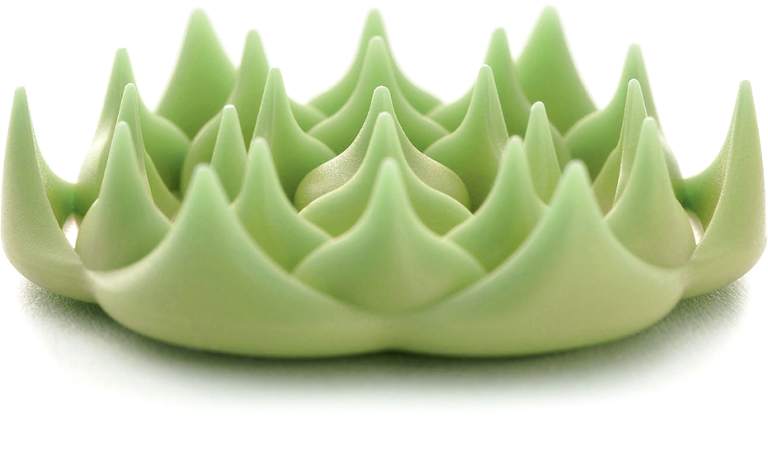
When your body encounters intense but non-threatening pressure, it triggers a parasympathetic cascade. This mechanism helps people experiencing nocturnal panic attacks or severe sleep anxiety achieve the nervous system reset that breathing alone cannot provide during peak arousal moments.
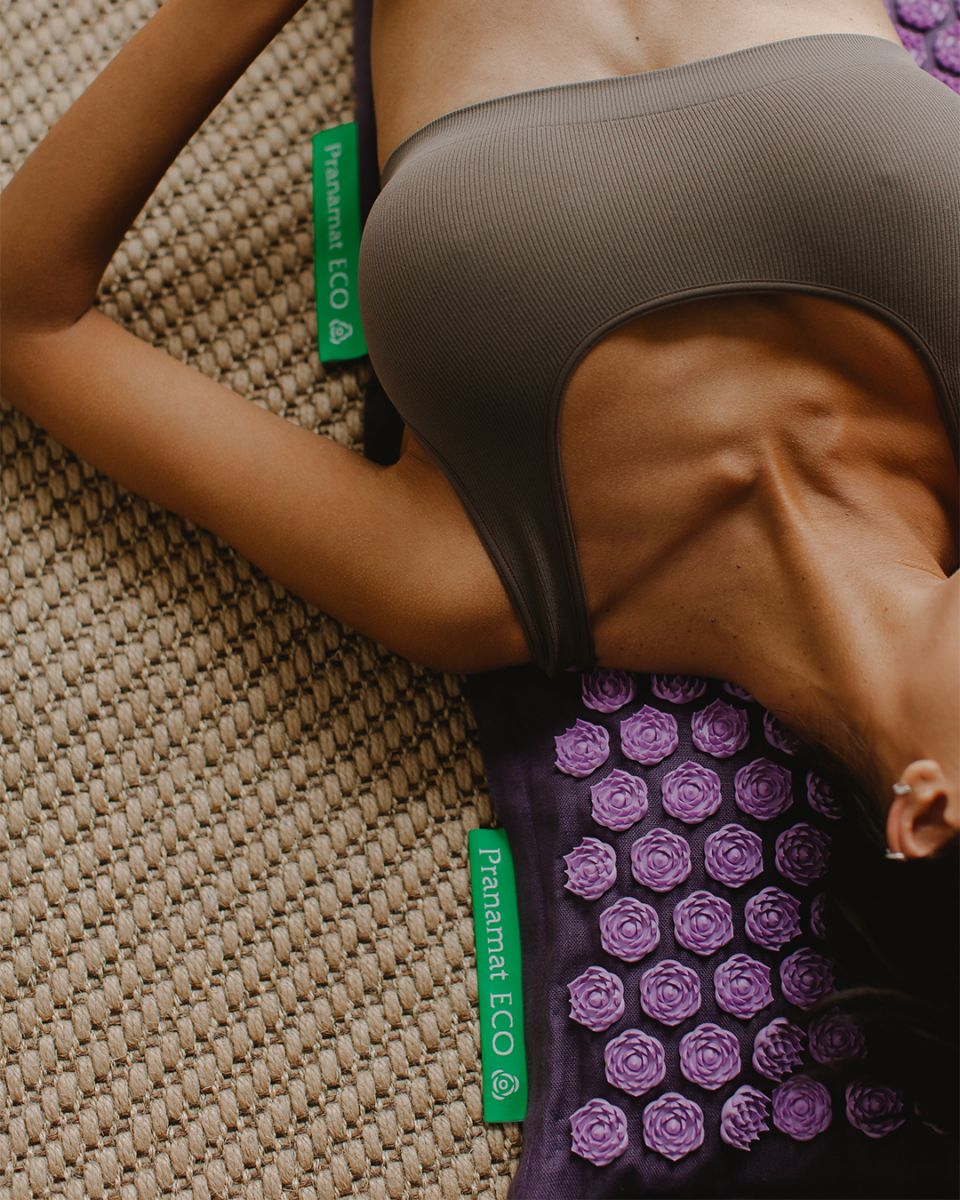
For bedtime use, lie on your Pranamat for 15-20 minutes before attempting sleep, or use it specifically during anxiety episodes. Position it under your upper back and shoulders where tension concentrates. The initial intensity of the acupressure spikes may feel sharp or uncomfortable at first, but this sensation gradually transforms into deep relaxation as your body adapts. This calming effect helps interrupt the anxiety-insomnia cycle by shifting your nervous system from a state of high alert to one of rest and recovery. Regular use can enhance your body's ability to manage stress, reduce muscle tension, and promote a sense of well-being, making it easier to fall asleep faster, sleep better, and stay asleep through the night, resulting in good night's sleep.
Cold Water Shock Protocol
Vagus nerve stimulation through controlled cold exposure creates immediate calming effects. The mechanism involves the dive reflex—when cold water contacts your face, your heart rate automatically slows and blood pressure stabilizes.
Quick implementation: after lying on your Pranamat, splash cold water on your face, apply a cold compress to your wrists and temples, or hold ice cubes briefly in your palms. These techniques work within 30-60 seconds and can interrupt a panic attack or severe anxiety episode when other methods feel inaccessible.
Creating a Sleep-Conducive Environment
Creating a sleep-conducive environment is a powerful way to support your body’s natural ability to relax, reduce sleep anxiety, and help you fall asleep faster. Research suggests that your surroundings and nightly habits play a crucial role in signaling your brain that it’s time to wind down, making it easier to stay asleep and wake up refreshed.
Start by optimizing your bedroom for better sleep. A cool room—ideally between 60 and 67 degrees Fahrenheit—helps lower your core body temperature, which is essential for deep, restorative sleep. Block out disruptive light with blackout curtains and minimize noise using earplugs or a white noise machine. These simple adjustments can make a significant difference for anyone struggling with trouble sleeping or frequent awakenings.
Your bedtime routine is just as important as your environment. Establishing a consistent sleep schedule trains your brain and body to expect rest at the same time each night, which can reduce stress hormones and improve sleep quality over time. About an hour before bed, begin practicing relaxation techniques such as progressive muscle relaxation, deep breathing, or guided imagery. These relaxation exercises help shift your focus to the present moment, quieting racing thoughts and preparing your body for sleep. Gentle activities like reading, listening to calming music, or taking a warm bath can further signal to your brain that it’s time to relax.
Lifestyle choices throughout the day also impact your ability to fall asleep and stay asleep. Exercise regularly—activities like tai chi or yoga are especially effective for reducing stress and promoting a relaxed state—but try to finish vigorous workouts at least 90 minutes before bedtime. A healthy diet supports overall mental health and sleep quality, so avoid heavy meals, caffeine, nicotine, and alcohol in the hours leading up to bed. Limiting electronic devices before sleep is another key step, as the blue light from screens can disrupt your body’s natural sleep-wake cycle and contribute to insomnia or other sleep disorders.
If you find your mind racing with worries or to-do lists as you try to fall asleep, keep a journal or notepad by your bed. Writing down your thoughts, concerns, or even positive reflections can help clear your mind and bring your focus back to the present moment, making it easier to relax and drift off.
For those experiencing persistent sleep issues, nocturnal panic attacks, or symptoms of sleep apnea, it’s important to consult a mental health professional or healthcare provider. They can help identify underlying causes of sleep anxiety and recommend targeted strategies or treatments to improve your sleep and overall well-being.
By prioritizing a sleep-conducive environment, practicing relaxation techniques, and seeking support when needed, you can reduce anxiety, improve sleep quality, and support your mental health—setting the stage for a good night’s sleep and a healthier, more balanced daily life.
Advanced Emergency Calming Implementation
When standard techniques prove insufficient for severe anxiety episodes, this comprehensive protocol combines multiple approaches for maximum effect for better sleep.
5-Minute Emergency Protocol
Use this protocol when you’ve tried single techniques without success, or when anxiety feels especially overwhelming.
- Immediate breathing intervention (30 seconds): Perform three physiological sighs — two quick nasal inhales, one long mouth exhale to interrupt hyperventilation and signal your brain that you’re consciously regulating your body.
- Pranamat positioning for nervous system reset (2 minutes): Lie on the acupressure mat with your upper back positioned on the lotus points. Close your eyes and breathe naturally, allowing the intense pressure to redirect your attention from racing thoughts to present moment physical sensation.
- Progressive muscle relaxation sequence (1.5 minutes): Starting with your feet, tense each muscle group for 5 seconds, then release completely. Move upward through calves, thighs, abdomen, chest, hands, arms, shoulders, and face.
- Final breathing and transition to sleep position (1 minute): Take five deep breaths with extended exhales, then slowly transition to your preferred sleep position, maintaining body awareness of the relaxed state you’ve created.
Common Challenges and Solutions
Even with effective techniques, obstacles can prevent emergency calming success. Night terrors and other severe sleep disturbances may require consultation with a healthcare provider for proper diagnosis and management. If anxiety is preventing you from sleeping well for several weeks, seeking professional help is advisable. These solutions address the most frequent barriers.
Technique Overwhelm During Panic
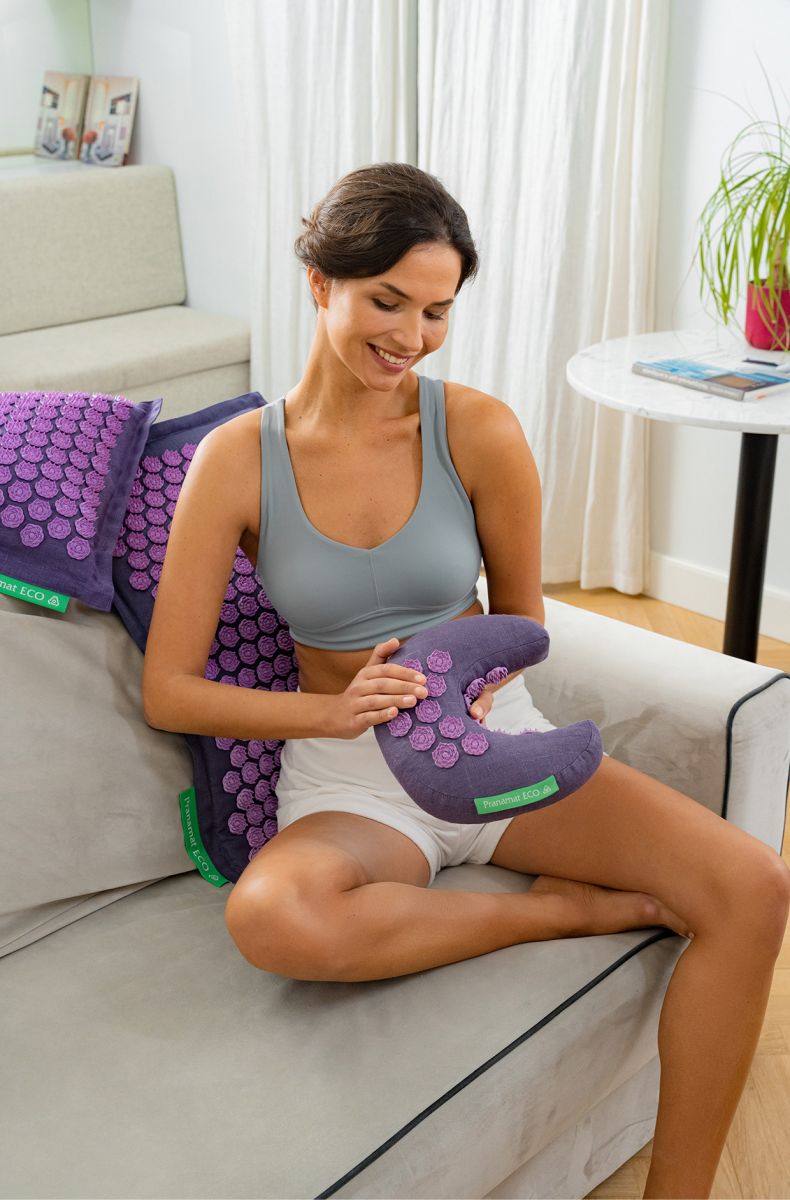
When anxiety peaks, choosing between multiple techniques can increase stress rather than reduce it. The solution: commit to a single-technique approach using Pranamat as your physical anchor. The mat provides immediate, passive intervention requiring no mental effort or decision-making—you simply lie down and let the pressure work.
During acute stress, simplify your choices by keeping your Pranamat beside your bed. When anxiety strikes, your only action is reaching for it. This eliminates the paralysis of options that often accompanies panic attacks.
Physical Discomfort Preventing Relaxation
Some people find initial pressure uncomfortable, particularly those new to acupressure. Solution: start with the mat positioned under a thin t-shirt, gradually working toward direct skin contact as tolerance builds. Ensure your neck and lower back are supported with pillows to reduce strain.
Work with physical sensations rather than fighting them. Research suggests that acknowledging discomfort without resistance often transforms it into neutral or even pleasant sensation within 2-3 minutes as endorphins release and muscles soften.
Racing Thoughts Returning After Initial Calm
Maintaining parasympathetic activation requires continued sensory input. When racing thoughts return after breathing techniques, extend your Pranamat session rather than transitioning to bed immediately. The ongoing pressure point stimulation keeps your nervous system engaged in physical sensation.
Anchor your attention to specific body sensations: the warmth spreading across your back, the rhythm of your breath, the subtle pulse you can feel where the lotus points contact your skin. This present moment focus prevents the mental drift that allows anxious thoughts to return.
Conclusion and Next Steps
Emergency calming for sleep requires rapid parasympathetic activation rather than gradual relaxation. When anxiety or stress response activation prevents you from falling asleep, your nervous system needs intense, targeted intervention to shift from fight-or-flight to rest-and-digest mode.
Immediate next steps:
- Identify your personal trigger signs that indicate emergency calming is needed (heart racing in bed, racing thoughts for more than 10 minutes, physical tension despite fatigue)
- Prepare your emergency toolkit by positioning tools like a Pranamat beside your bed for immediate access
- Practice the 5-minute protocol during calm moments so the sequence becomes automatic when needed
- Track which techniques work best for your specific anxiety patterns using a simple to do list or notes
Building a reliable emergency toolkit ensures you’re never without options when sleep anxiety strikes. Tools like Pranamat provide consistent, passive intervention that works regardless of your mental state, offering reliable access to calming techniques when you need them most.
.jpg)
Additional Resources
For deeper understanding of vagus nerve stimulation and parasympathetic activation, the National Center for Complementary and Integrative Health provides research-backed information on relaxation techniques including tai chi, meditation, and guided imagery.
If you experience persistent trouble sleeping, consistent sleep issues despite emergency techniques, or the same symptoms as daytime panic attacks occurring at night, consult a mental health professional. Sleep disorders including insomnia and sleep apnea require professional evaluation. The Anxiety and Depression Association offers directories for finding specialists in sleep anxiety.
Emergency techniques address acute episodes effectively, but chronic issues benefit from comprehensive approaches including consistent sleep schedule maintenance, a cool room environment, regular exercise, healthy diet, and limiting electronic devices before bed. Consider CBT-I (Cognitive Behavioral Therapy for Insomnia) for persistent insomnia, as research demonstrates superior outcomes compared to medication for long-term sleep quality improvement.