





 coupon
  Gift card


Sleep Hygiene Tips 101: Why Your Environment is Keeping You Awake
You finally get into bed. You’re tired — maybe even exhausted.
But the moment the lights go off, your brain switches on.
You replay conversations. You check the clock. You adjust the pillow. The room feels too warm. Or too bright. Or strangely loud in the quiet. And somehow, despite wanting sleep all day, you can’t seem to drift into it at night.
If this sounds familiar, the problem may not be your willpower or your stress levels alone. It may be your environment.
We often treat sleep like a mental challenge: relax more, think less, try harder. But biologically, sleep is an environmental response. Your brain scans for cues of safety, darkness, temperature stability, and sensory calm before it allows melatonin production to rise and the nervous system to shift into restorative mode.
That’s where sleep hygiene comes in. Sleep hygiene encompasses both your sleep environment and your daily routines, including behaviors and habits that support healthy, restorative sleep.
This guide breaks down practical, science-backed sleep hygiene tips — not as rigid rules, but as an actionable checklist to help you create the best environment for sleep. Because sometimes, the reason you’re awake isn’t insomnia. It’s friction.
By following these sleep tips, you can set yourself up for a good night's sleep and achieve better rest.
.jpg)
What Sleep Hygiene Actually Means (And What It Doesn’t)
Sleep hygiene doesn’t mean being “perfect” about bedtime.
It’s not about rigidly going to sleep at 9:30 p.m., banning screens forever, or turning your bedroom into a monastery.
Sleep hygiene refers to the environmental and behavioral habits that support your circadian rhythm — your body’s internal 24-hour clock — and encourage natural melatonin production at night. Practicing good sleep hygiene helps you achieve quality sleep and promotes good quality sleep, which is essential for physical repair, immune function, and emotional well-being.
According to the Sleep Foundation, sleep hygiene includes factors like room temperature, light exposure, noise levels, and pre-bed routines. Harvard Health emphasizes that sleep works best when your body and environment send consistent cues that it’s time to wind down.
(Sleep Foundation. “Sleep Hygiene.” sleepfoundation.org)
The key idea: your brain is constantly assessing whether conditions are safe enough for sleep.
When your space is too bright, too warm, too noisy, or overstimulating, your nervous system stays slightly alert — even if you feel tired.
Learning how to improve sleep hygiene isn’t about adding more pressure. It’s about removing hidden barriers so you can enjoy a good night's rest.
Improving sleep hygiene has little cost and virtually no risk, making it an important part of a public health strategy. Even small changes can make a significant difference in your sleep and overall well-being.
Let’s walk through them.
Temperature: The Silent Sleep Disruptor
If you wake up in the middle of the night feeling restless, overheated, or oddly alert, your sleep environment may be the culprit.
Keep Your Room Cool
Temperature plays a significant role in sleep quality. Maintaining an optimal bedroom temperature is essential for creating a restful sleep environment. Experts recommend keeping your room cool, ideally between 65°F and 68°F (18.3°C to 20°C), to promote better sleep. In fact, a bedroom temperature of around 65 degrees Fahrenheit is most conducive to healthy, restful sleep. Consider using a fan, adjusting your thermostat, or opening a window to help regulate the temperature and create a comfortable, cool, and inviting space for sleep.
Why Temperature Matters
Sleep is closely tied to thermoregulation.
As part of your circadian rhythm, your core body temperature naturally drops in the evening. This decline helps trigger sleep onset. If your room is too warm, your body struggles to cool down — delaying melatonin release and deep sleep transitions.
According to the Sleep Foundation, most people sleep best in a cool room — typically around 60–67°F (15–19°C). The NHS’s Every Mind Matters guidance also recommends maintaining a comfortably cool bedroom to support better sleep.
(Sleep Foundation. “Sleep Hygiene.” sleepfoundation.org)
Signs Your Bedroom Temperature Is Too Warm
- Difficulty falling asleep
- Waking around 2–3 a.m.
- Night sweats
- Restless tossing
Cooling Strategies That Actually Help
If adjusting the thermostat isn’t enough, consider:
- Breathable, natural-fiber bedding
- Lightweight sleepwear
- Air circulation (fan or cracked window if safe)
- A warm shower before bed (which triggers a post-shower cooling effect)
The goal isn’t to feel cold. It’s to allow your body to complete its natural nighttime cooling process without resistance.
A cool room tells your brain: It’s safe to shut down.
Light: The Melatonin Switch
Light is one of the most powerful signals affecting your sleep-wake cycle. Creating an optimal sleep environment includes keeping your bedroom dark to minimize light exposure at night.
Your circadian rhythm evolved around sunrise and sunset. Artificial lighting — especially blue light from screens — and other sources of bright light in the evening can delay melatonin production and trick your brain into thinking it’s still daytime.
The Science of Light and Sleep
Melatonin is often called the “sleep hormone,” but it’s more accurately a darkness signal.
According to Harvard Health, exposure to light in the evening suppresses melatonin secretion, making it harder to fall asleep. The Sleep Foundation notes that even small amounts of artificial light — including light from electronics — can interfere with sleep quality.
(Harvard Health Publishing. “Blue light has a dark side.” health.harvard.edu)
Common Blue Light Mistakes
- Overhead lighting before bed
- Scrolling on your phone in a dark room
- LED alarm clocks glowing beside the bed
- Streetlight leakage through curtains
How to Improve Sleep Hygiene Around Light
- Dim lights 60–90 minutes before bed
- Use warm, low-watt lamps in the evening
- Keep screens out of bed if possible
- Install blackout curtains if needed
- Cover or remove glowing electronics
Darkness is not just aesthetic — it’s biological instruction.
When the room becomes darker, melatonin production rises. Your brain begins transitioning toward parasympathetic dominance — the “rest and digest” state required for sleep.
Noise: The Micro-Awakening Problem
You might think you “sleep through” background noise.
But even if you don’t fully wake up, your brain still processes sound.
Small disruptions — a car passing, a neighbor’s footsteps, plumbing sounds — can cause micro-awakenings that fragment sleep architecture without you realizing it. Managing noise in your sleep environment is crucial for achieving uninterrupted sleep and staying asleep throughout the night.
According to the Sleep Foundation, consistent, low-level noise is less disruptive than unpredictable, intermittent sounds, and maintaining good noise hygiene can help you achieve sound sleep.
(Sleep Foundation. “Sleep Hygiene.” sleepfoundation.org)
Why Inconsistent Noise Is Worse
Your nervous system is wired to detect novelty. Sudden sounds signal potential danger, activating a brief stress response.
Even if you don’t remember waking, these micro-arousals can:
- Prevent deep sleep
- Increase morning grogginess
- Fragment REM cycles
Sound Hygiene Tips
- Use a white noise machine or fan to mask irregular sounds
- Consider soft earplugs if safe and comfortable
- Close windows if outside noise is disruptive
- Remove ticking clocks from the bedroom
Think of sound hygiene as creating a stable auditory environment.
Your brain relaxes when the sensory field is predictable.
Tactile Comfort: The Overlooked Sleep Factor
We often focus on light and temperature. But there’s another environmental cue that strongly affects nervous system regulation: touch.
Your skin is your largest sensory organ. It continuously sends signals to the brain about safety, pressure, warmth, and comfort.
If your sheets feel scratchy, your mattress feels unsupportive, or your body feels tense against the surface, your nervous system remains subtly vigilant.
Why Tactile Comfort Matters
Gentle, consistent sensory input can promote relaxation.
Physical cues of safety — soft bedding, supportive surfaces, calming textures — reinforce parasympathetic activation. In contrast, unpredictable or uncomfortable sensations keep the body slightly guarded.
This is why many sleep hygiene tips now include optimizing not just how your room looks, but how it feels.
The Role of Pre-Sleep Sensory Rituals
One of the most effective ways to improve sleep hygiene is to build a consistent pre-sleep ritual that signals winding down.
For some people, this includes:
- Stretching
- Breathwork
- Warm showers
- Light journaling
- Gentle acupressure
- Listening to soothing music
Keeping tactile relaxation tools near your bed can help reinforce the association between your sleep space and nervous system settling.
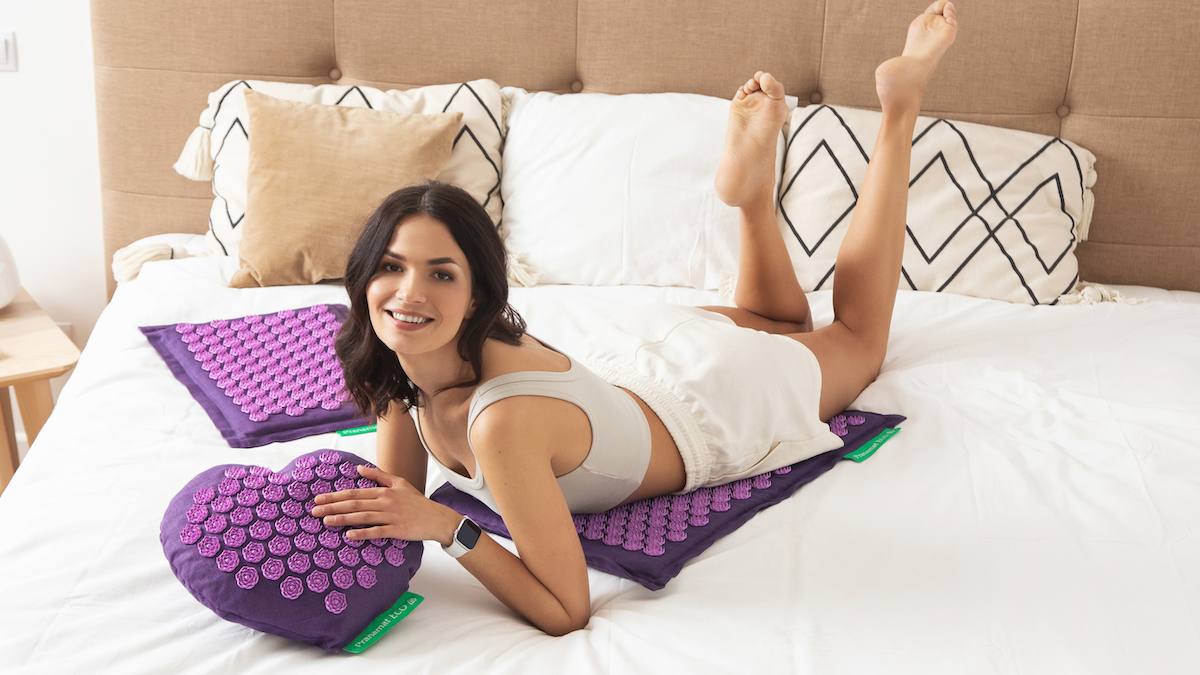
For example, some people keep their Pranamat acupressure mat beside or at the foot of the bed, using it for 15–20 minutes before sleep. Rather than viewing it as workout equipment, it becomes part of the nightly ritual — a sensory cue that it’s time to shift from stimulation to stillness.
(Read more on how acupressure helps your body prepare for sleep here: https://pranamat.com/post/acupressure/acupressure-sleep-science)
The key isn’t that the mat “makes” you sleep. Research on acupressure suggests it may support relaxation and circulation, but evidence is still developing. The more powerful factor may be behavioral consistency.
When the same tactile experience precedes sleep night after night, the brain begins to associate that sensation with safety and rest.
Sleep hygiene isn’t only about removing stimulation. It’s also about adding the right kind.
Electronic Devices: The Hidden Saboteur in Your Bedroom
How Screens Disrupt Sleep
It’s tempting to scroll through your phone or watch one last episode before bed, but electronic devices can quietly sabotage your chances of a good night’s sleep. The blue light emitted by screens—whether from smartphones, tablets, or laptops—suppresses melatonin, the hormone that signals your body it’s time to wind down. This disruption can make it harder to fall asleep, leading to trouble falling asleep, restless nights, and even sleep deprivation over time.
But it’s not just the light. The content on electronic devices—emails, social media, news, or games—keeps your brain alert and engaged, making it difficult to relax into a restful sleep. This stimulation can disrupt sleep quality and make it harder to establish a healthy bedtime routine. Practicing good sleep hygiene means being mindful of how and when you use electronic devices, especially in the hour before bed, to avoid poor sleep and support a more restful night.
Setting Boundaries with Technology
Healthy sleep habits start with setting clear boundaries around technology use. Try establishing a specific time each night to put away electronic devices—ideally at least 30 to 60 minutes before your planned bedtime. Consider making your bedroom a device-free zone, or at least keeping screens away from your bed. Many devices now offer blue light filtering or night mode features; while these can help, they’re not a substitute for unplugging entirely.
By setting these boundaries, you support your body’s natural circadian rhythm and give your mind a chance to unwind. Pairing a consistent sleep schedule with a relaxing bedtime routine—free from the distractions of electronic devices—can lead to better sleep, improved mental health, and higher sleep quality. Remember, the goal isn’t to eliminate technology, but to use it in a way that supports your sleep, not disrupts it.

Creating a Device-Free Wind-Down Routine
One of the most effective ways to promote restful sleep is to create a device-free wind-down routine. Instead of reaching for your phone or tablet, try reading a physical book, taking a warm bath, or practicing relaxation techniques like meditation or deep breathing. These calming activities help signal to your brain that it’s time to transition from the busyness of the day to a state of relaxation, making it easier to fall asleep and stay asleep.
Avoiding electronic devices before bed not only reduces your exposure to blue light but also helps prevent the mental stimulation that can lead to sleep disorders or poor sleep quality. A soothing, device-free bedtime routine can lower stress and anxiety, setting the stage for deeper, more restorative sleep and better overall health.
Your Actionable Sleep Hygiene Checklist
Here’s a concise sleep hygiene checklist you can review tonight:
- Stick to a consistent sleep schedule, even on weekends.
- Create a relaxing bedtime routine.
- Make your bedroom comfortable, cool, and dark.
- Limit screen time before bed.
- Avoid caffeine and heavy meals late in the day.
- Get regular physical activity, but not too close to bedtime.
As a healthy adult, it’s important to monitor your sleep duration and ensure you are getting enough sleep each night. Adults should aim for 7 to 9 hours of sleep per night for optimal well-being.
Consider keeping a sleep diary to track your sleep duration, record when you go to bed, wake up, and note any awakenings or patterns. This can help you identify factors that may be interfering with restful sleep and improve your overall sleep hygiene.
Temperature
- Keep bedroom around 60–67°F (15–19°C)
- Use breathable bedding
- Allow for nighttime cooling
Light
- Dim lights 60–90 minutes before bed
- Reduce screen exposure in the evening
- Use blackout curtains if necessary
- Eliminate glowing electronics
Noise
- Mask unpredictable sounds with white noise
- Remove ticking clocks
- Minimize sudden environmental disruptions
Tactile Comfort
- Invest in supportive bedding
- Remove scratchy or irritating textures
- Establish a calming pre-sleep ritual
- Keep relaxation tools near the bed for consistency
Improving sleep hygiene doesn’t require perfection. Start with one category and adjust gradually.
Small environmental shifts often produce meaningful improvements.
Electronic Devices
Electronic devices are a modern convenience, but they can have a significant impact on your sleep if not managed thoughtfully. By understanding how screens disrupt sleep and taking steps to set healthy boundaries, you can protect your sleep hygiene and reduce the risk of sleep deprivation. Prioritizing a device-free wind-down routine and creating a sleep-friendly environment will help you achieve better sleep quality and support your mental health.
Remember, healthy sleep habits go beyond just limiting screen time. Regular exercise, a consistent sleep schedule, and a balanced daily routine all contribute to a good night’s rest, a healthy weight, and reduced risk of heart disease and other health problems. By making small, sustainable changes to your relationship with electronic devices, you’ll be well on your way to better sleep and improved well-being.
Frequently Asked Questions
What is the best environment for sleep?
The best environment for sleep is cool, dark, quiet, and physically comfortable. It should support your natural circadian rhythm and minimize sensory disruptions. According to the Sleep Foundation and Harvard Health, consistency is just as important as conditions.
How long does it take to improve sleep hygiene?
Some changes — like lowering room temperature or reducing light exposure — can improve sleep within days. Behavioral habits and circadian alignment may take a few weeks of consistency.
Can sleep hygiene fix insomnia?
Sleep hygiene tips can significantly improve mild sleep difficulties, especially when environmental factors are involved. However, chronic insomnia may require additional support, such as cognitive behavioral therapy for insomnia (CBT-I). If sleep problems persist, consult a healthcare professional.
Does tactile comfort really affect sleep?
Yes. The sensory environment influences nervous system regulation. Consistent, calming physical cues can reinforce relaxation responses, while discomfort can increase alertness.

Sleep Is an Environmental Response
Sleep isn’t forced. It’s invited.
Your brain is constantly scanning for signs of safety — darkness, coolness, predictability, tactile comfort. When those cues align, melatonin rises, cortisol falls, and the nervous system shifts toward restoration.
When they don’t, sleep becomes effortful, and insufficient sleep can lead to a range of health issues, affecting both physical and mental well-being.
The good news is that your environment is adjustable.
Revisit your sleep hygiene checklist. Notice friction points. Make incremental changes to help you sleep soundly.
And consider how your space feels — not just how it looks. Thoughtful sensory rituals, whether it’s dimming lights, turning on white noise, or spending a few minutes on a Pranamat before bed, can transform your bedroom from a place of effort into a place of transition, helping you achieve a good night's sleep.
Sleep is not a productivity challenge.
It’s a biological rhythm — one that thrives when the environment supports it.
Medical Disclaimer
This article is for educational purposes only and does not constitute medical advice. If you experience ongoing sleep difficulties, consult a qualified healthcare professional.