





 coupon
  Gift card


How Acupressure for Sleep Works: The Science of Relaxation
Sleep is one of the most biologically sophisticated processes in the human body — and one of the easiest to disrupt.
Modern stress, constant stimulation, irregular schedules, and persistent mental load keep the nervous system in a state of low-grade alertness long after the lights go out. For millions of people, the result is difficulty falling asleep, fragmented sleep, or waking unrefreshed.
As interest grows in non-pharmacological sleep support, practices rooted in traditional medicine are receiving renewed scientific attention. One of the most discussed is acupressure for sleep — a technique that stimulates specific points on the body using physical pressure rather than needles. Acupressure involves using physical touch to stimulate specific acupuncture points on the body. While both acupuncture and acupressure target standardized acupuncture points, acupuncture uses needle insertion, whereas acupressure relies on manual pressure to achieve therapeutic effects.
But beyond tradition, what does modern physiology say?
Ever wondered how does acupressure help sleep? What does the research suggest about pressure points for insomnia? And what does acupressure mat science reveal about the nervous system?
This article explores the mechanisms behind acupressure and sleep — from the Gate Control Theory of Pain to parasympathetic activation — and how our thoughtfully designed tool may support the body’s natural relaxation response. Acupressure is believed to restore balance in the body's energy flow, a key concept in traditional Chinese medicine. Physiologically, acupressure may influence the central nervous system by activating small myelinated nerves in the muscles, transmitting stimulation to higher nerve centers, and thereby improving sleep quality.
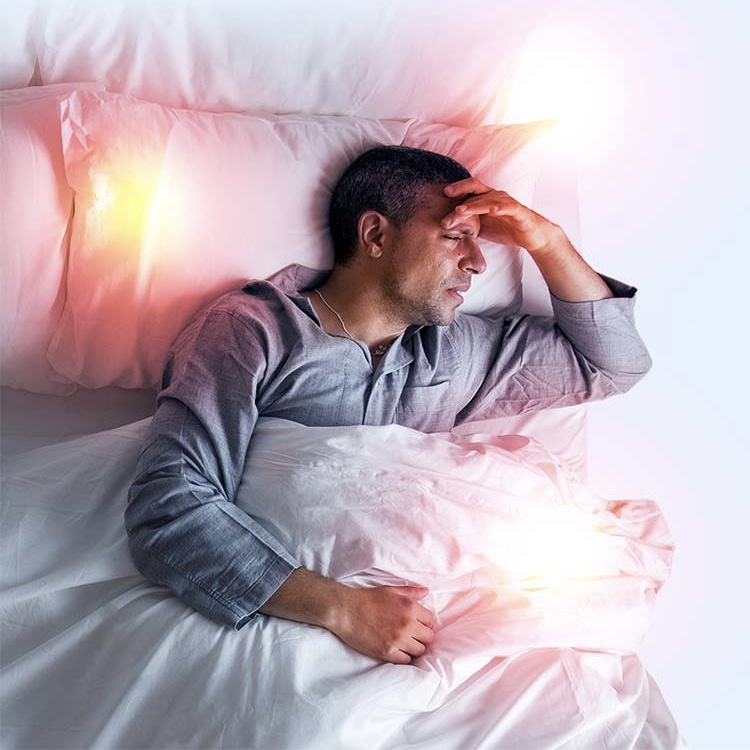
Why Sleep Problems Are Often Stress Problems
Before understanding how acupressure may help, it’s important to understand what often interferes with sleep.
Insomnia is rarely just about sleep. It’s frequently about stress physiology.
When the body perceives stress — whether physical or psychological — it activates the sympathetic nervous system. This “fight or flight” response increases heart rate, elevates cortisol, tightens muscles, and heightens alertness. These changes are adaptive during danger, but counterproductive at bedtime.
Sleep disturbances and sleep issues can negatively impact cognitive function and may even contribute to cognitive impairment over time. A lack of sleep can also affect a person's long-term health and well-being.
Guidance from the U.S. Department of Veterans Affairs notes that stress reduction techniques can meaningfully support sleep quality, especially when used consistently as part of a nightly wind-down routine. Their patient education materials specifically include acupressure for sleep as a complementary strategy for calming the body before bed. The reason lies in nervous system regulation.
Acupressure is generally considered a low-risk alternative for improving sleep quality and is safe for most people to try.
What Is Acupressure?
Acupressure is a traditional therapeutic technique rooted in East Asian medicine. An acupressure treatment involves applying sustained pressure to specific points on the body — often along meridian pathways — to help treat insomnia and improve sleep. Unlike acupuncture, acupressure uses fingers, hands, or tools rather than needles.
To perform acupressure, practitioners or individuals apply pressure to these points using their fingers, hands, or specialized tools. Both firm pressure and light pressure can be used depending on the sensitivity of the point and the individual's comfort. Deep pressure may be applied to certain points, such as those on the ankle or wrist, to stimulate the desired response. For example, some points like Sanyinjiao (SP6) are located by measuring four finger widths above the ankle bone for accurate placement. Applying pressure to acupressure points for 1–3 minutes each can help improve sleep outcomes.
Modern interpretations increasingly focus on neurophysiology rather than energetic language. The key idea: stimulating the skin and underlying tissues can influence nerve signaling, circulation, muscle tone, and stress response.
Organizations such as the U.S. Department of Veterans Affairs and the Children’s Hospital of Philadelphia (CHOP) describe specific pressure points for insomnia that patients can use at home, including:
- The inner wrist (Pericardium 6)
- The base of the skull
- The inner ankle (Kidney 6)
- The space between the eyebrows (Yintang)
These points are commonly recommended to encourage relaxation and sleep onset. But what happens physiologically when pressure is applied?
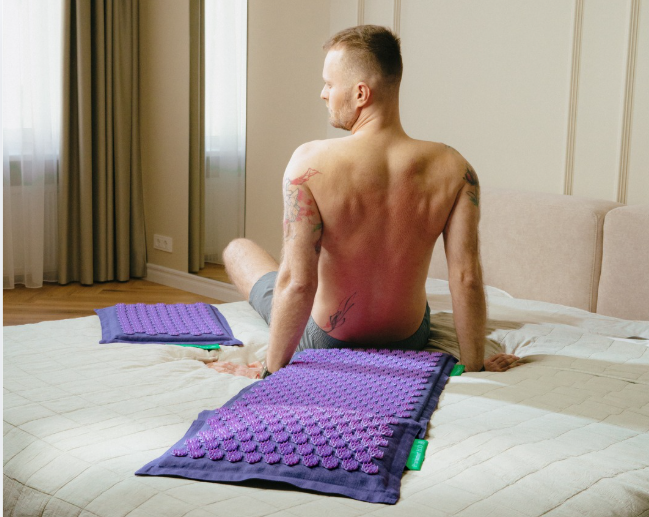
The Gate Control Theory of Pain: A Key to Understanding Acupressure Mat Science
One of the most compelling modern explanations for how acupressure may influence relaxation is the Gate Control Theory of Pain.
Originally proposed in the 1960s, this theory suggests that the spinal cord contains a neurological “gate” that regulates pain signals traveling to the brain. When pressure is applied to the skin, especially with steady pressure, it is thought to stimulate nerve fibers that can close this gate, thereby reducing the perception of pain and promoting relaxation.
Acupressure can be self-administered by patients, making it a cost-effective and accessible option for improving sleep quality.
How the Gate Works
The nervous system contains different types of nerve fibers:
- Small fibers transmit pain signals.
- Larger fibers transmit touch, pressure, and vibration.
When you stimulate the skin with firm, non-damaging pressure — such as lying on an acupressure mat — you activate large sensory fibers. These large fibers can “close the gate” in the spinal cord, reducing the transmission of pain and stress-related signals to the brain.
This is why rubbing your elbow after bumping it reduces discomfort. The non-painful sensation competes with and dampens the pain signal.
Now apply this concept to stress physiology.
Sensory Stimulation and Stress Interruption
The tingling sensation from an acupressure mat stimulates thousands of pressure receptors across the skin simultaneously. This intense but non-harmful sensory input may:
- Redirect neural signaling
- Decrease perceived pain
- Interrupt stress amplification pathways
- Shift attention away from racing thoughts
This sensory “override” may be one reason people report feeling calmer after 10–20 minutes on an acupressure mat.
While more high-quality clinical trials are needed, this neurological explanation aligns with established principles of sensory modulation.
How Does Acupressure Help Sleep Quality? Four Physiological Pathways
Sleep depends on a coordinated shift from sympathetic activation to parasympathetic dominance. Acupressure may promote sleep by calming the nervous system and regulating neurohormonal responses. Acupressure may support this transition through several mechanisms. Stimulating specific acupressure points can increase melatonin production and reduce cortisol levels, both of which are important for sleep. The effectiveness of acupressure in improving sleep quality has been supported by multiple studies, including a meta-analysis that showed significant improvements in sleep quality, total sleep time, sleep efficiency, sleep onset latency, and wake after sleep onset, although more rigorous research is needed.
1. Nervous System Regulation
The autonomic nervous system has two primary branches:
- Sympathetic (“fight or flight”)
- Parasympathetic (“rest and digest”)
For sleep to begin, parasympathetic activation must increase.
Acupressure may promote this shift by:
- Providing sustained tactile input
- Encouraging stillness and body awareness
- Stimulating mechanoreceptors linked to relaxation pathways
Some researchers hypothesize that repetitive pressure stimulation may influence vagal tone — activity of the vagus nerve, which plays a central role in parasympathetic regulation.
Increased vagal activity is associated with slower heart rate, reduced cortisol, and improved relaxation — all supportive of sleep onset.
2. Muscle Relaxation and Tension Release
Chronic muscle tension is one of the most common physical manifestations of stress.
Tight shoulders, clenched jaws, and contracted lower backs signal the brain that the body is not safe enough to sleep.
Acupressure may help by:
- Increasing local blood flow
- Encouraging muscle fiber release
- Stimulating Golgi tendon organs that signal muscles to relax
According to health education materials from the Children’s Hospital of Philadelphia, acupressure for sleep can be particularly helpful when insomnia is linked to physical tension or stress.
When muscles release, the nervous system receives feedback that danger has passed — supporting deeper relaxation.
3. Blood Circulation and Microcirculation
Another proposed mechanism behind acupressure mat science is improved circulation.
When you lie on an acupressure mat, hundreds of small lotus-shaped spikes apply consistent pressure to the skin. Initially, this can produce a mild tingling or warmth. That warmth reflects increased blood flow.
Improved circulation may:
- Deliver oxygen to tissues
- Remove metabolic waste
- Reduce localized inflammation
- Create a sense of warmth and comfort
Enhanced microcirculation may also contribute to the relaxed, heavy sensation many users describe after a session. This physical unwinding can make it easier to transition into sleep.
4. Cortisol and the Stress Response
Cortisol is often called the “stress hormone.” It naturally follows a circadian rhythm — highest in the morning and lowest at night.
Chronic stress can disrupt this rhythm, keeping cortisol elevated into the evening and interfering with sleep onset.
While research directly measuring cortisol changes from acupressure mats remains limited, stress-reduction techniques more broadly are associated with improved cortisol regulation. By supporting parasympathetic activation and reducing muscle tension, acupressure may help the body exit the stress loop that keeps cortisol elevated.
The result: a more favorable internal environment for sleep.
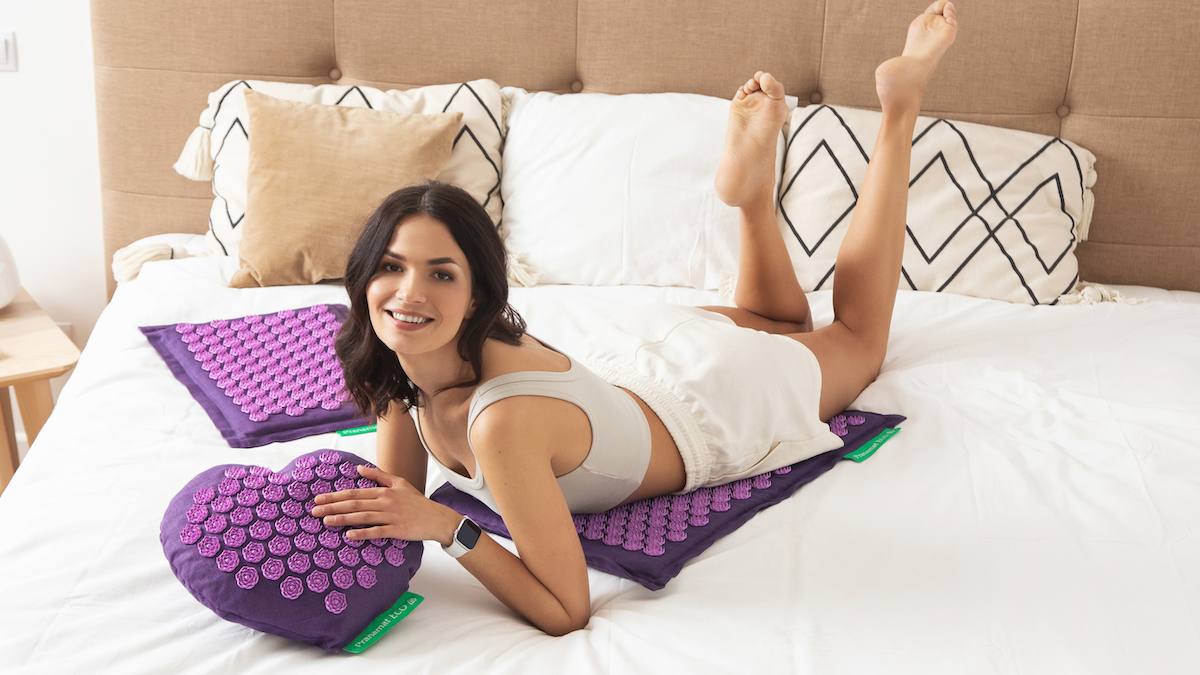
Clinical Practice and Acupressure: How Professionals Use It for Sleep
In recent years, acupressure has gained traction in clinical practice as a supportive therapy for improving sleep quality. Healthcare professionals—including nurses, sleep specialists, and integrative medicine practitioners—are increasingly recommending acupressure as part of comprehensive treatment plans for patients struggling with sleep disorders. By applying gentle pressure to carefully selected acupressure points, clinicians help patients relieve stress, promote relaxation, and establish healthier sleep habits.
Drawing from the principles of traditional Chinese medicine, acupressure is believed to restore the body’s energy flow, which is essential for achieving restful sleep and maintaining both physical and mental health. In clinical settings, acupressure is often combined with other relaxation techniques, such as deep breathing exercises, to enhance its calming effects and support a more peaceful sleep environment.
Evidence from randomized controlled trials supports the use of acupressure for improving sleep quality, particularly among elderly patients who may be more sensitive to the side effects of conventional sleep medications. These studies have shown that regular acupressure sessions can lead to more restful sleep, reduced nighttime awakenings, and an overall improvement in sleep quality. By integrating acupressure into their clinical practice, healthcare professionals offer patients a gentle, non-invasive way to relieve stress and improve their overall well-being—helping them achieve the seven to nine hours of restorative sleep that are so vital for health.
Acupressure Points for Insomnia: What Experts Recommend
Both the U.S. Department of Veterans Affairs and CHOP provide guidance on specific pressure points for insomnia.
Key pressure points for sleep include An Mian, Yin Tang, Heart 7, Pericardium 6 (Inner Frontier Gate), Kidney 1, and Sanyinjiao. Stimulating these pressure points can help treat insomnia and help you fall asleep for a restful night's sleep.
Here are several commonly referenced points:
Yin Tang (Yintang)The Yin Tang point, located between the eyebrows, is known for its ability to relieve stress and promote sleep. Applying pressure to the Yin Tang point can help relieve stress and tension, calm an overactive mind, and promote sleep. This pressure point is often used to address sleep issues and promote relaxation.
Heart 7 (Shenmen)The Shenmen (HT7) point is located on the inner wrist, in the crease, near the base of the pinky finger. Stimulating this pressure point can help calm the mind and treat insomnia.
Pericardium 6 (Neiguan, Inner Frontier Gate)The Neiguan (PC6) point, also known as the Inner Frontier Gate, is located on the inner wrist, about three finger widths below the wrist crease, between the tendons. Stimulating this pressure point can help reduce anxiety, ease insomnia, and promote emotional balance. Applying pressure to this point can help calm the heart and reduce anxiety, promoting sleep by relieving stress and supporting emotional well-being.
Kidney 6 (Zhaohai)Kidney 6 is located just below the inner ankle bone. In addition, Kidney 1 (Bubbling Spring - KD1) is found on the sole of the foot and is used for grounding energy, which can be beneficial for sleep.
Sanyinjiao (Spleen 6 - SP6)Sanyinjiao is located four finger-widths above the ankle bone and is useful for insomnia. Stimulating this pressure point can help address sleep issues and promote relaxation.
Anmian (An Mian)The Anmian point is located behind the ear, just above the base of the skull, in a soft depression. Stimulating this pressure point can help with sleep issues and is commonly used to treat insomnia.
Wind Pool (Fengchi)The Wind Pool (Fengchi) point is located at the base of the skull where the neck muscles attach. Stimulating this pressure point can help reduce respiratory symptoms, calm the mind, and promote relaxation for better sleep. It is especially useful for relieving stress and supporting a restful night's sleep.
If sleep disturbances persist despite acupressure treatment, it is important to seek medical advice.
Inner Wrist (Pericardium 6)
Located about three finger-widths below the wrist crease on the inner forearm, the Pericardium 6 point is also known as the Neiguan (PC6) point. It is found between the tendons on the inner wrist.
Applying steady pressure to the Neiguan point can help calm the heart, reduce anxiety, and promote sleep by relieving stress. Stimulating this point also promotes emotional balance.
May support:
- Relaxation
- Reduced anxiety
- Calmer breathing
Inner Ankle (Kidney 6)
Located just below the inner ankle bone.
Traditionally associated with:
- Sleep regulation
- Hormonal balance
Between the Eyebrows (Yintang)
Often called the “third eye” point, the Yin Tang point is located between the eyebrows and is known for its ability to relieve stress and promote sleep.
Commonly used for:
- Calming racing thoughts
- Reducing agitation
- Relieving stress and tension
- Calming an overactive mind
- Promoting sleep
Applying pressure to the Yin Tang point can help relieve stress and tension, calm an overactive mind, and promote sleep. A 2018 review included five randomized control trials—four using acupuncture and one using acupressure—suggesting that applying pressure to the Yin Tang point may help relieve anxiety, which in turn could help improve sleep.
According to Medical News Today, self-administered acupressure at these points is generally considered safe for most people when applied with moderate pressure.
It’s important to note that while clinical evidence is promising, it is not definitive. Acupressure is best viewed as a complementary tool — not a cure.
Addressing Chronic Insomnia with Acupressure
Chronic insomnia—a persistent difficulty falling asleep, staying asleep, or experiencing poor sleep quality—affects millions of people and can have a profound impact on physical and mental health. Acupressure therapy has emerged as a promising approach for those seeking to improve sleep without relying solely on medication. By applying gentle pressure to specific points, such as the spirit gate point, three yin intersection, and bubbling spring point, individuals can help regulate the body’s energy flow and encourage a more restful night’s sleep.
Research has shown that acupressure can significantly improve key sleep parameters, including sleep onset (how quickly you fall asleep), sleep efficiency (the percentage of time spent asleep while in bed), and overall sleep duration. In clinical settings, acupressure is used to address a range of sleep disorders, with studies demonstrating its safety and effectiveness for treating chronic insomnia. The World Health Organization recognizes acupressure as a valuable adjunctive therapy for improving sleep quality, further supporting its use in modern sleep medicine.
Acupressure therapy typically involves using the fingers or thumbs to apply steady, gentle pressure to targeted points on the body. This practice not only promotes relaxation and reduces muscle tension but also helps establish better sleep habits over time. By incorporating sleep acupressure into a nightly routine, individuals with chronic insomnia can experience better sleep, improved emotional well-being, and enhanced physical and mental health—making it a practical and accessible option for those seeking more restful nights.

From Individual Points to Full-Body Stimulation
Traditional acupressure focuses on targeted points. Acupressure mats take a different approach: they stimulate hundreds or thousands of points simultaneously. This full-surface stimulation may amplify sensory input and potentially enhance the mechanisms described above — especially in relation to the Gate Control Theory and nervous system regulation.
The Importance of Pressure Depth and Consistency
Not all acupressure mats are engineered equally. Consistent therapeutic pressure depth matters. If spikes are too sharp, the body may tense defensively. If they are too dull, stimulation may be insufficient.
Pranamat’s lotus-shaped spikes are specifically designed to distribute pressure evenly while maintaining a precise depth of stimulation. Each lotus cluster contains multiple points arranged to mimic traditional acupressure distribution patterns. The goal is not pain — but sustained, balanced stimulation that encourages the body to transition from initial alertness to relaxation. This design differentiates it from generic mats that may lack structural consistency or ergonomic consideration. Importantly, this does not make it a medical device or a treatment. It is a wellness tool designed to support the body’s own regulatory processes.
The Tingling Phase: Why Discomfort Can Turn into Calm
Many first-time users notice an intense tingling sensation during the first few minutes on an acupressure mat.
This sensation reflects:
- Activation of cutaneous nerve endings
- Increased local circulation
- Sensory competition in the spinal cord
As the body adapts, the nervous system recalibrates. The initial sharpness softens into warmth. This transition may signal a shift from sympathetic arousal to parasympathetic settling. In practical terms: what feels stimulating at first often becomes deeply relaxing within 10–15 minutes. This adaptive process is consistent with known principles of sensory habituation and nervous system modulation.
_compressed_compressed%20(1)%20(1)%20(1).jpg)
Acupressure for Sleep as a Non-Pharmacological Option
Sleep medications can be helpful in certain circumstances. However, many people seek non-pharmacological sleep support due to:
- Concerns about dependency
- Morning grogginess
- Tolerance over time
- Underlying stress-related insomnia
Organizations such as the VA increasingly recommend integrative approaches, including relaxation techniques, mindfulness, breathing exercises, and acupressure for sleep.
A recent systematic review found that research on acupressure for sleep is limited, with most studies focusing on acupuncture instead. These approaches aim to restore the body’s natural sleep physiology rather than override it.
Acupressure is particularly appealing because it:
- Is low-risk for most individuals
- Can be self-administered
- Encourages body awareness
- Integrates easily into a nightly ritual
Acupressure is associated with minimal adverse effects, making it a safe alternative to pharmacological treatments for sleep issues. It may cause mild side effects such as localized skin irritation or discomfort at the application site, but these are typically short-term and well tolerated.
Consistency appears more important than intensity.
Creating a Nightly Acupressure Ritual
For those exploring acupressure mat science in practice, timing and environment matter.
Consider:
- Using the mat 20–30 minutes before bed
- Keeping lighting dim
- Avoiding screens during the session
- Pairing with slow nasal breathing
- Maintaining stillness
The goal is to signal safety.
The nervous system thrives on repetition. When the brain learns that this sensory experience precedes sleep, it may begin associating the mat with relaxation and rest.
Over time, this conditioning can reinforce healthy sleep cues.
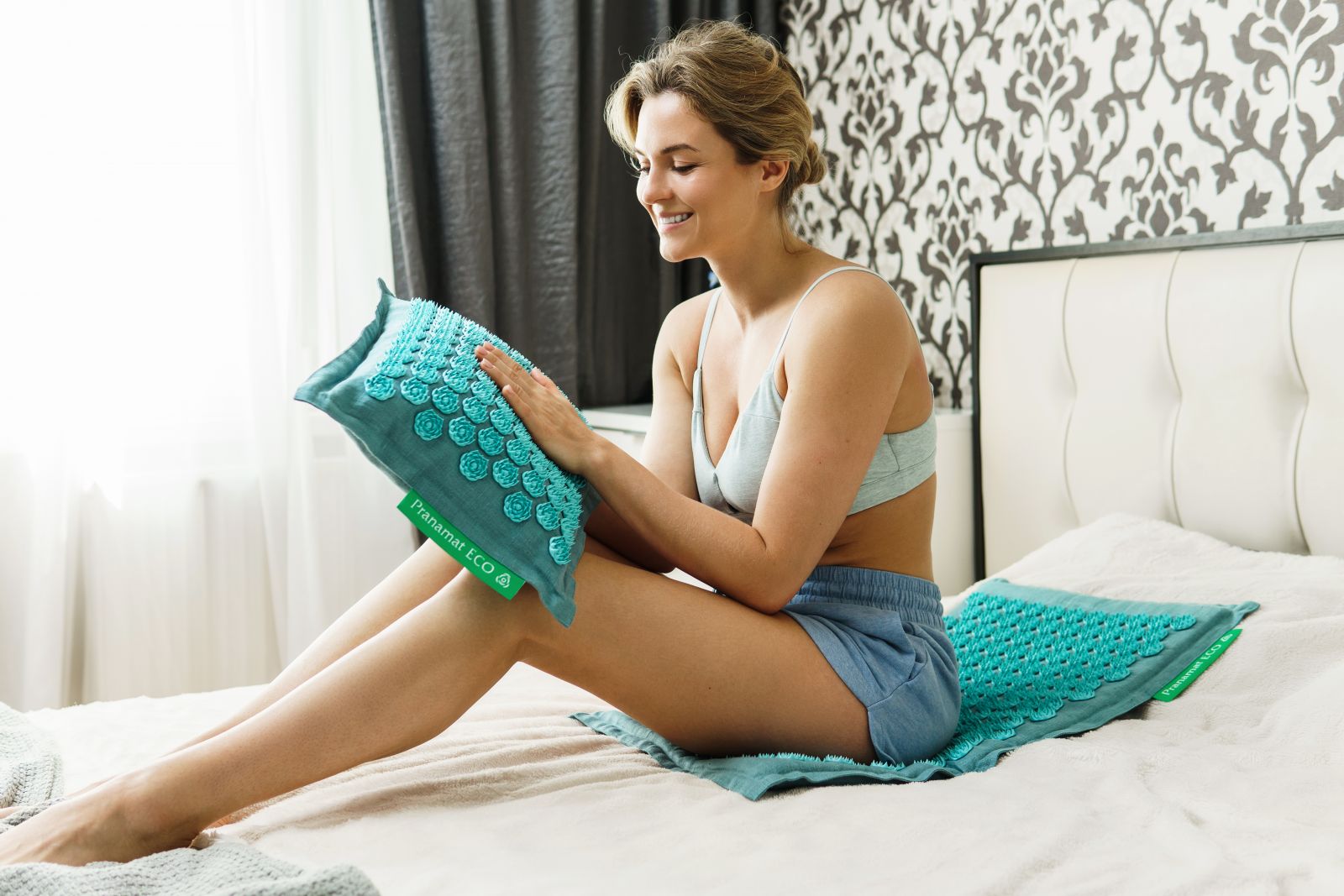
Frequently Asked Questions
How does acupressure help sleep?
Acupressure may help sleep by stimulating sensory nerves that influence the autonomic nervous system. Through mechanisms like the Gate Control Theory of Pain, increased circulation, muscle relaxation, and potential parasympathetic activation, it may reduce stress and support sleep onset.
What are the best pressure points for insomnia?
Commonly recommended pressure points for insomnia include:
- Inner wrist (Pericardium 6)
- Inner ankle (Kidney 6)
- Between the eyebrows (Yintang)
- Base of the skull
Guidance from institutions such as the VA and CHOP outlines these points for gentle self-application.
Is acupressure mat science supported by research?
Research into acupressure and related modalities suggests potential benefits for stress reduction, circulation, and pain modulation. However, large-scale randomized trials specifically on acupressure mats and sleep remain limited.
Mechanistic explanations — including sensory gating and nervous system regulation — are grounded in established physiology.
Can acupressure replace sleep medication?
Acupressure should not replace prescribed medication without medical supervision. It can serve as a complementary practice within a comprehensive sleep plan.
How long should you lie on an acupressure mat before bed?
Many users find 15–30 minutes effective. Beginners may start with shorter sessions and increase gradually as the body adapts.
Practical Takeaways
If you’re exploring acupressure for sleep, here’s what matters most:
- Sleep difficulties are often stress-related.
- Sensory stimulation can influence nervous system balance.
- The Gate Control Theory helps explain how pressure input modulates signaling.
- Improved circulation and muscle relaxation may support comfort.
- Consistency and ritual enhance effectiveness.
- Tools engineered for even, therapeutic pressure — such as those using lotus-shaped spike clusters — may offer more predictable stimulation.
Acupressure is not a miracle solution.
It is a nervous system practice.
A Thoughtful Approach to Sleep Support
In a culture that prizes quick fixes, sleep rarely responds to force. It responds to safety.
Acupressure offers a tactile way to communicate safety to the body — through pressure, warmth, and stillness.
Thoughtfully designed tools like Pranamat aim to deliver consistent stimulation that aligns with known principles of sensory modulation and relaxation physiology. The patented lotus-shaped spikes are engineered to apply balanced pressure depth across the body’s surface, supporting a controlled and comfortable experience.
Used mindfully, acupressure can become part of a broader wind-down ritual that includes light management, breathwork, and stress reduction.
Sleep is not something we chase.
It is something we allow.
Medical Disclaimer
This article is for educational purposes only and does not constitute medical advice. Always consult a qualified healthcare professional before beginning any new wellness practice, especially if you have a medical condition, are pregnant, or are taking medication.