





 coupon
  Gift card


The Best Sleeping Positions for Back Pain: Lower Back Pain Relief
Finding a comfortable sleeping position when your low back pain flares up can feel like a nightly puzzle. You shift from side to side, try lying flat, curl up—yet nothing seems to fully relieve the discomfort. By morning, you may wake up feeling just as stiff, if not worse.
If this sounds familiar, you’re not alone. The way you sleep plays a significant role in how your back feels—both during the night and when you wake up.
Chronic sleep deprivation has been linked to an increased risk of developing chronic and disabling back pain, irrespective of daily activities.
Understanding the best sleeping positions for back pain isn’t about finding a perfect posture. It’s about supporting your body in a way that reduces strain, improves alignment, and allows your muscles to relax. Making small changes to your sleep positions can make a big difference in how your back feels.

Why Sleeping Position Affects Lower Back Pain
Your spine has natural curves that need support—even while you sleep.
Maintaining the natural 'S' curve of the spine reduces pressure on joints and muscles during sleep.
When your sleep posture doesn’t maintain proper spinal alignment, it can:
- Increase pressure on the lower back
- Create uneven weight distribution
- Lead to muscle tension and stiffness
- Cause muscle strain, which is a common source of back pain
According to the Mayo Clinic and Sleep Foundation, poor sleeping positions can place stress on the lumbar spine (lower back), especially if the hips, shoulders, and neck aren’t aligned. (https://www.mayoclinic.org/diseases-conditions/back-pain/in-depth/sleeping-positions/art-20546852)
Key factors at play:
- Spinal alignment: Keeping your head, shoulders, and hips in a neutral line
- Proper posture: Maintaining proper posture during sleep supports spinal alignment, reduces muscle tension, and helps prevent worsening back pain
- Pressure distribution: Avoiding excessive force on one area
- Muscle tension: Preventing unnecessary strain from awkward positions
The right position doesn’t just feel better—it helps your body recover overnight.
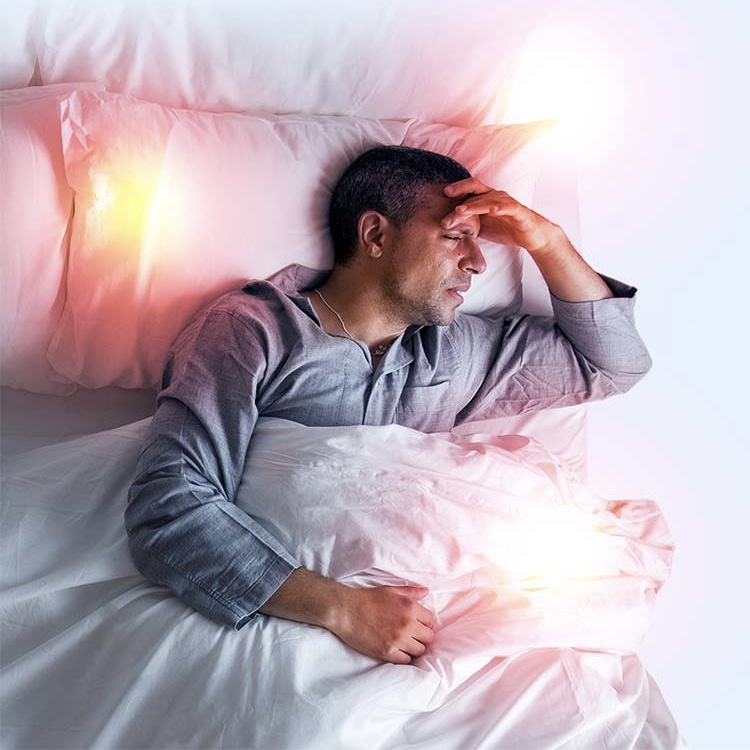
The Best Sleeping Positions for Lower Back Pain
There’s no single “best sleep position” or “best way to sleep with lower back pain” for everyone. However, certain pain sleeping positions are recommended to help alleviate discomfort and promote better spinal alignment. Some positions are generally more supportive than others.
Sleeping on Your Back
Sleeping on your back is often considered the best position for many people, as it is one of the most supportive positions for the spine. This position helps keep the spine aligned and the head and neck in a neutral position, which can reduce strain and discomfort.
When placing a pillow, back sleepers should use a contoured pillow to help maintain proper neck alignment and further support the natural curve of the spine.
A supportive mattress is also important for back sleepers. A firm or medium-firm mattress provides support for the spine and distributes pressure from the body more evenly.
Why it helps:
- Promotes neutral spinal alignment
- Evenly distributes body weight
- Reduces pressure points
- However, the key is proper support.
Pillow placement for back sleepers:
- Place a pillow under your knees
- This helps maintain the natural curve of your lower back
- It reduces strain on the lumbar spine
You can also:
Use a small rolled towel under your lower back for added lumbar support
Who it works best for:
- People with general lower back discomfort
- Those who can comfortably lie flat without neck strain
Sleeping on Your Side
Side sleeping is a popular position for back pain relief and is another effective option—especially for those who find back sleeping uncomfortable.
This position helps maintain the spine's natural alignment, reducing pressure and avoiding twisting or curving of muscles and nerves. Side sleeping with knees drawn slightly towards the chest can open the space between vertebrae and lessen tension on spinal discs.
When using this position, choosing the right pillow is important to support proper neck and head alignment, which helps reduce pressure points and maintain spinal neutrality.
Why it helps:
- Reduces pressure on the spine
- Can improve comfort for people with hip or joint sensitivity
But alignment is crucial.
Pillow placement for back pain (side sleepers):
- Place a firm pillow between your knees
- This keeps your hips aligned
- Prevents your top leg from pulling the spine out of position
Additional tips:
- Keep your ears, shoulders, and hips in a straight line
- Avoid twisting your torso
According to Sleep Foundation, proper alignment in side sleeping can significantly reduce strain on the lower back. (https://www.google.com/search?q=https://www.sleepfoundation.org/sleeping-positions/best-sleeping-position-for-lower-back-pain)
The Fetal Position (Modified)
The fetal position—lying on your side with knees drawn up—is common, especially among people with back pain. This position, where you curl your knees slightly toward your chest, may provide relief for herniated discs or sciatica by reducing pressure on the spine. It can also help people with spinal stenosis by opening up space between the spinal bones and relieving nerve tension, which can provide relief from discomfort.
When it helps:
- Can open up spaces between vertebrae
- May relieve pressure in certain conditions
When to be cautious:
Curling too tightly can:
- Increase muscle tension
- Round the spine excessively
- Strain the neck and lead to upper back pain
How to modify it:
- Keep a gentle bend in your knees
- Avoid pulling them too close to your chest
- Use a pillow between your legs
Think of it as a relaxed side position—not a tight curl.
Positions to Avoid or Modify
Some positions tend to place more strain on the lower back. In particular, it is generally best to avoid stomach sleeping if you have back pain. Sleeping on your stomach is typically discouraged for those with back pain because it puts pressure on the spine and forces the neck into a twisted angle.
1. Sleeping on Your Stomach
This is generally the least recommended position.
Why it can cause issues:
- Forces the spine into an unnatural curve
- Strains the neck due to head rotation, which can lead to neck pain from misalignment
- Increases pressure on the lower back
If you must sleep this way:
- Place a thin pillow under your hips
- Use a very low pillow (or none) under your head
2. Poor Pillow Support
Even a good position can become problematic with the wrong pillow setup.
Common issues:
- Pillow too high → neck misalignment
- Pillow too flat → lack of support
- No leg support → hip imbalance
Pillow Placement for Back Pain (Detailed Guide)
Getting pillow placement for back pain right can make a noticeable difference. Proper pillow placement can help maintain spinal alignment and result in less pain during and after sleep.
For back sleepers:
- Pillow under knees → reduces lumbar strain
- Optional small support under lower back
For side sleepers:
- Pillow between knees → aligns hips
- Optional pillow hugged in front → supports shoulders
For neck support:
- Choose a pillow that keeps your neck aligned with your spine
- Avoid tilting your head too far up or down
Mattress considerations:
Your mattress should:
- Provide a supportive mattress that supports natural spinal curves and offers enough support for your back
- Prevent excessive sinking or stiffness
A soft mattress may feel comfortable at first but often lacks enough support for adults, potentially leading to back pain. Using a soft mattress topper can be an affordable way to increase softness without sacrificing support, especially if your current mattress is too firm. A firm or medium-firm mattress distributes pressure from the body more evenly, which can reduce pain when lying down or after getting up. It is also recommended to replace your mattress every seven to ten years, as mattresses soften over time and this can affect spinal alignment during sleep.
According to Keck Medicine of USC, a medium-firm mattress often works well for people with lower back pain, though comfort preferences vary. (https://www.keckmedicine.org/blog/the-best-and-worst-sleep-positions-for-back-pain/)
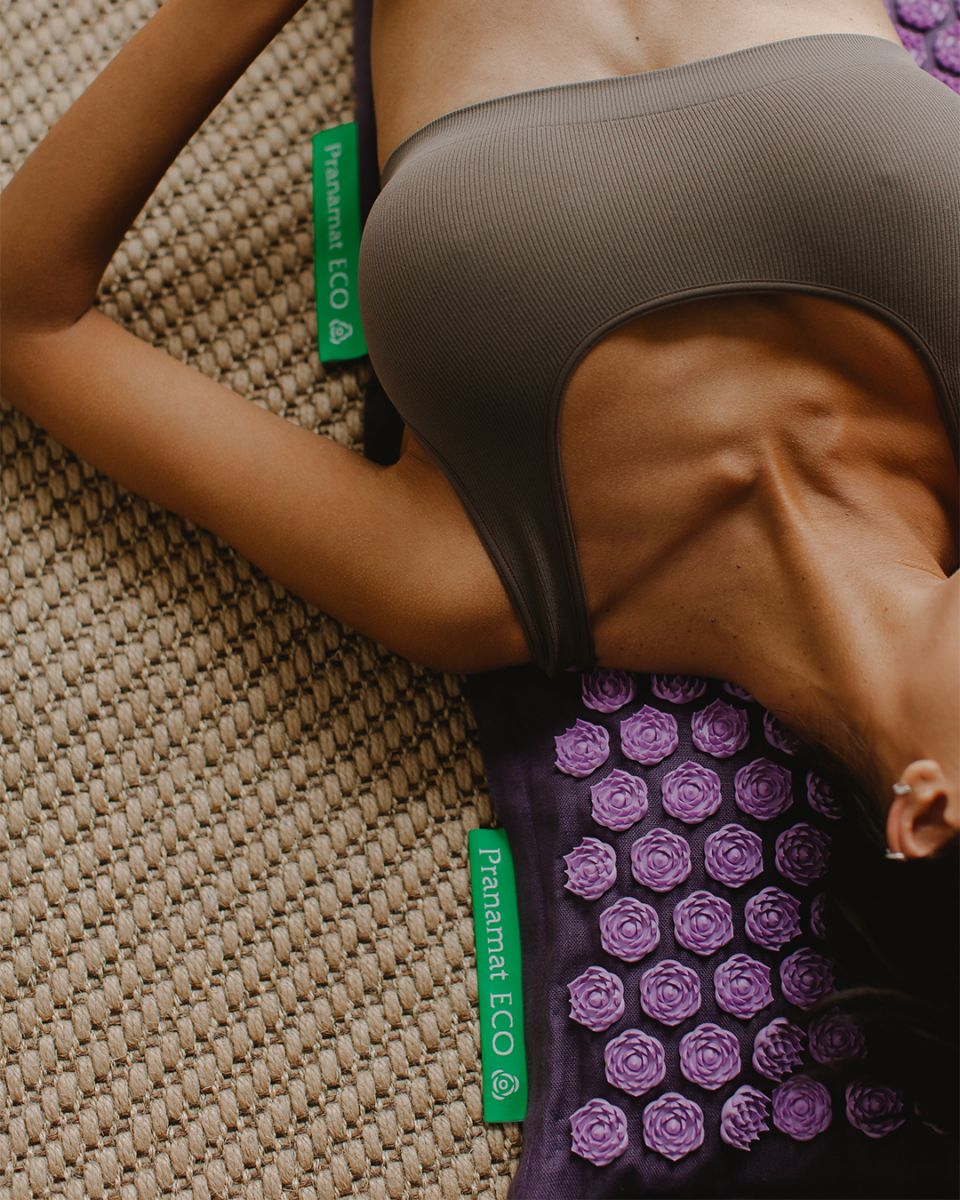
The Role of Muscle Tension Before Sleep
Even with perfect positioning, tight back muscles can make it harder to get comfortable and may increase pain. Relaxing the back muscles before sleep can help alleviate pain and make it easier to rest.
If your back, shoulders, or hips are tense:
- Your body resists relaxation
- You may keep shifting positions
- Discomfort can persist
Using relaxation techniques, such as gentle stretching or applying heat or cold packs before bed, can help reduce inflammation and alleviate pain. Additionally, using a lumbar support pillow can help maintain spinal alignment while sleeping and reduce discomfort.
This is why pre-sleep relaxation matters.
Why it helps:
- Reduces muscle stiffness
- Improves comfort in your chosen position
- Supports better pressure distribution
Simple techniques include:
- Gentle stretching
- Warm showers
- Breathing exercises

The “Pranamat Warm-Up” Routine
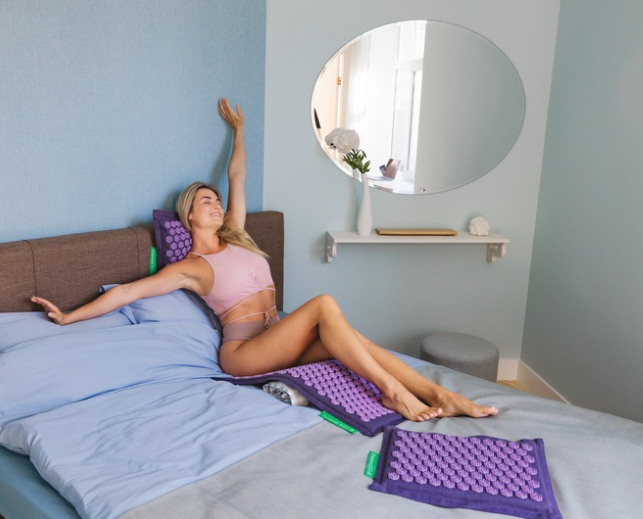
For those looking to add a body-based step to their evening routine, tools like Pranamat can be incorporated as part of a pre-sleep relaxation ritual. Relaxation routines like this can help you fall asleep more easily by promoting muscle relaxation.
How it may help:
Lying on the mat for 15–20 minutes provides consistent tactile stimulation
This sensation can:
- Encourage awareness of tight areas
- Help muscles in the back and shoulders relax
- Shift focus away from discomfort or stress
How to use it before bed:
- Lie on the mat in a comfortable position
- Focus on slow, steady breathing
- Allow your body to gradually settle

Why this matters for sleep position:
When muscles are more relaxed:
- It’s easier to maintain proper sleep posture
- You’re less likely to toss and turn
- Your chosen sleeping position becomes more comfortable
Important perspective:
- This is not a treatment for back pain
- Results vary between individuals
- It works best alongside good posture and sleep habits
Think of it as a complement to alignment—not a replacement for it.
Quick Checklist: Optimizing Your Sleep Setup
Use this checklist to improve your nightly comfort:
- Choose a mattress that supports your spine’s natural curve.
- Use a pillow that keeps your neck aligned with your spine.
- Place a pillow under your knees if you sleep on your back, or between your knees if you sleep on your side.
- Use a body pillow to help maintain your chosen sleeping position and prevent rolling onto your stomach.
- Practice good sleep hygiene, such as reserving your time in bed for sleep only, to improve sleep quality and spinal health.
- Keep your bedroom cool, dark, and quiet for optimal rest.
Position
- Back or side sleeping preferred
- Avoid prolonged stomach sleeping
Pillow placement
- Under knees (back sleepers)
- Between knees (side sleepers)
- Proper neck support
Mattress
- Supportive but comfortable
- Not too soft or too firm
Pre-sleep routine
- Relax muscles before bed
- Reduce tension and stress
FAQ: Sleeping Positions for Back Pain
Is it better to sleep on your back or side for back pain?
Both can be effective.
- Back sleeping supports spinal neutrality
- Side sleeping can reduce pressure and improve comfort
The best choice depends on what feels most natural and sustainable for you.
Where should I put a pillow for lower back pain?
It depends on your position:
- Back sleepers → under the knees
- Side sleepers → between the knees
This helps maintain alignment and reduce strain on the lower back.
Why does my back hurt more at night?
Possible reasons include:
- Poor sleep posture
- Lack of support from your mattress or pillows
- Muscle tension from the day
Addressing these factors can often improve nighttime comfort.
Conclusion: Small Adjustments, Meaningful Relief
Finding the right sleeping positions for back pain doesn’t require a complete overhaul—just thoughtful adjustments.
By focusing on:
- Proper spinal alignment
- Supportive pillow placement
- Relaxed muscles before bed
and maintaining your spine's natural alignment throughout the night, you can set yourself up for long-term relief.
You can create a sleep setup that works with your body, not against it.
The key is experimentation.
Try different positions, adjust your setup, and give your body time to adapt. Over time, these small changes can help you achieve a good night's sleep and wake up pain free, making a noticeable difference in how you feel—both at night and in the morning.