





 coupon
  Gift card


Anxiety-Induced Insomnia: Calm Your Mind Through Your Body
When Your Head Hits the Pillow but Your Mind Won’t Stop
You go to bed exhausted.
Your body is tired. Your eyes are heavy. But the moment your head hits the pillow, your brain turns on.
Thoughts begin to loop—plans, worries, conversations. Racing thoughts at night make it hard to fall asleep, and even harder to stay there.
This is the experience of sleep anxiety or anxiety disorders, which leads to poor night's sleep.
It’s the feeling of being tired but alert. Calm on the surface, but unsettled underneath. And for most people, this pattern becomes a vicious cycle of anxiety insomnia.
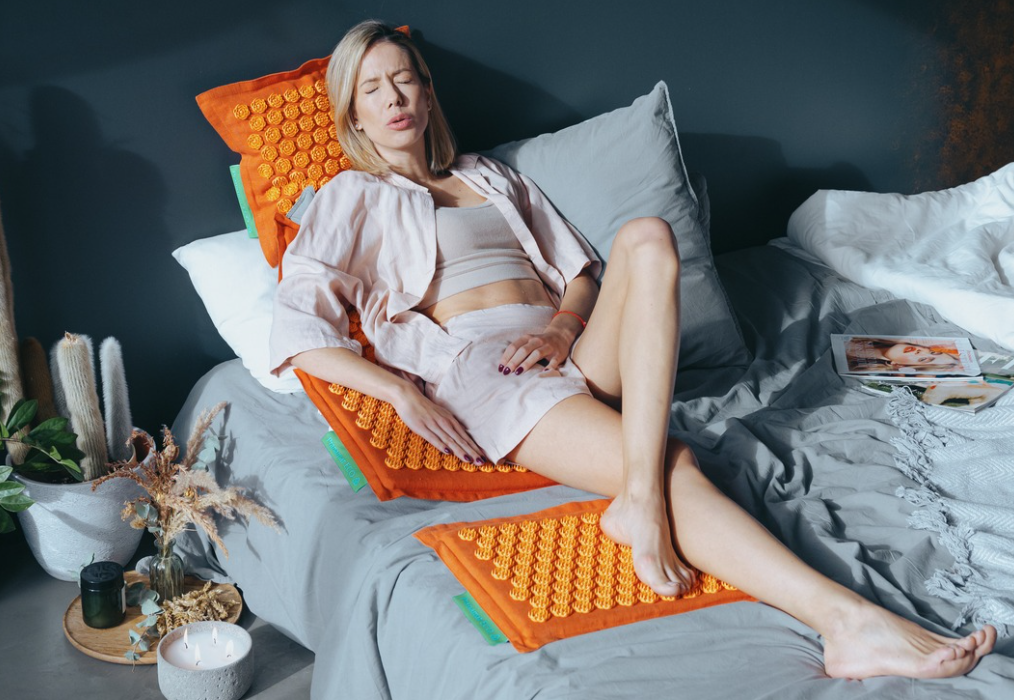
Anxiety and Sleep: Why They Clash
Anxiety disrupts sleep patterns
Anxiety can disrupt sleep patterns and lead to insomnia. When you experience anxiety and sleep disruption, your brain remains active even at bedtime.
Chronic anxiety keeps the body alert
Chronic anxiety can make it hard for your body to relax before sleep. This is because anxiety activates the fight or flight response, keeping the nervous system in a state of alertness.
Mental and physical tension combine
Anxiety is not just mental—it’s physical. It creates muscle tension, increased breathing, and heightened awareness of bodily sensations. This is why sleep anxiety affects both the brain and the body.
The Anxiety–Sleep Cycle
Anxiety leads to poor sleep
When anxiety rises, you may experience trouble sleeping, difficulty falling asleep, and problems with staying asleep.
Poor sleep increases anxiety
A lack of sleep can heighten anxiety levels, leading to increased stress, emotional instability, lower resilience, and even high blood pressure.
The feedback loop
Sleep anxiety can create a feedback loop that worsens both anxiety and insomnia. Anxiety leads to poor sleep, and poor sleep then fuels more anxiety, reinforcing the cycle.
What’s Happening in Your Body at Night
Hyperarousal and cortisol
Your body enters a state of hyperarousal. Stress hormones increase, the brain stays alert, and you remain partially awake.
Physical stress signals
Your body responds with faster breathing, increased heart rate, and subtle tension. This physical stress prevents full relaxation.
Cortisol and the sleep cycle
Elevated cortisol levels at night can interfere with melatonin production, making it harder to fall asleep and stay asleep. This disrupts your circadian rhythm and overall sleep quality.
Why You Can’t Think Your Way to Sleep
Mental strategies have limits
Trying to “calm down” mentally often doesn’t work. Your brain is already caught in a loop of anxious thoughts, worrisome thoughts, and overthinking.
Cognitive loops keep you awake
This creates mental overactivity, emotional tension, and difficulty entering sleep. This is why anxiety insomnia persists.
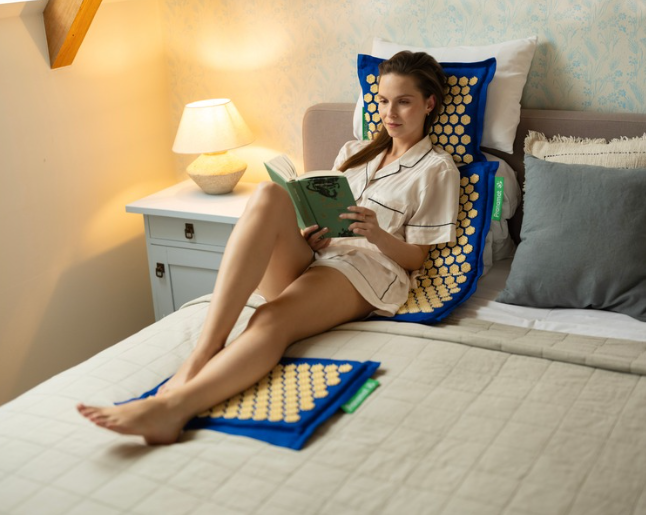
The Mind–Body Connection
The body influences the brain
Your body sends signals to your brain. If your body is tense, the brain assumes alertness and delays sleep.
Somatic pathways to calm
This is where the mind body connection becomes important. When the body relaxes, the brain follows, and the nervous system begins to shift.
What Is Somatic Therapy?
A body-based approach
Somatic therapy focuses on physical sensations, awareness of the body, and releasing tension.
Why it works
Somatic therapy offers a holistic alternative that addresses the mind-body connection to promote deep, rejuvenating sleep.
Recognizing stress signals
Somatic therapy techniques help recognize sensations that are signs of stress, promoting relaxation and rejuvenation.
How to Calm Anxiety Through the Body
Progressive muscle relaxation
Progressive muscle relaxation (PMR) involves tensing and relaxing different muscle groups to promote deep relaxation. It works by targeting each muscle group and releasing stored tension.
Body scan meditation
Body scan meditation is a cornerstone of somatic therapy that helps release physical and mental tension. This technique increases awareness, reduces physical tension, and supports restorative sleep.
Breathing techniques
Deep breathing exercises, such as the 4-7-8 method, can help reduce heart rate and improve sleep. This involves a slow inhale, holding the breath, and then a controlled exhale. Conscious breathing activates the body's relaxation response.
Gentle movement
Gentle movement and stretching, such as yoga or tai chi, can effectively prepare the body for rest.
Practical Sleep Anxiety Treatment at Home
Build better sleep habits
Effective at-home treatments for sleep anxiety include calming the nervous system and improving sleep hygiene.
Create a buffer zone
The Buffer Zone refers to a 30–60 minute period before bedtime focused on low stimulation and relaxing activities.
Avoid stimulants
Avoiding caffeine and heavy meals in the hours leading up to bedtime can improve sleep quality.
Limit screen time
Limiting screen time at least 30–60 minutes before bed helps reduce blue light exposure.
Use journaling
Journaling about daily worries can help process emotions and reduce anxiety before bedtime.
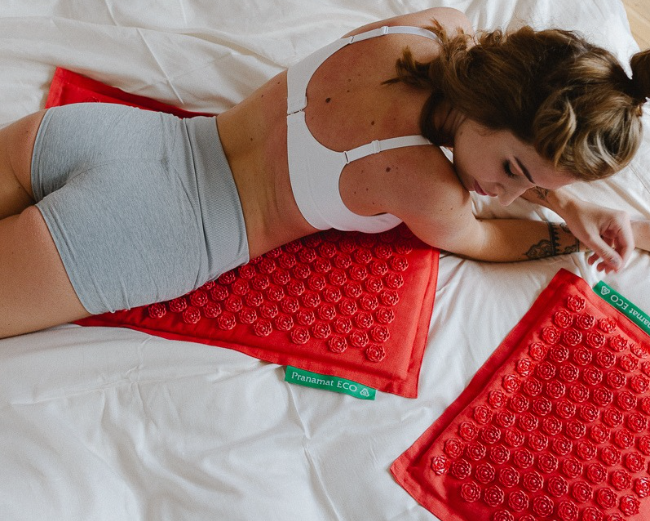
The Pranamat Approach: A Somatic Reset
Pranamat provides a physical way to calm the system.
How it works
The mat stimulates pressure points across the body, creating strong sensory input. This may interrupt racing thoughts at night, support relaxation, and help calm your mind before sleep.
Why it supports sleep
This helps activate the body's relaxation response, reduce physical stress, and improve sleep quality.
A Simple Anti-Anxiety Night Routine
Start by reducing stimulation—dim lights and prepare for rest.
Then practice relaxation techniques such as body scan meditation, progressive muscle relaxation, or deep breathing.
Follow this with physical relaxation using Pranamat or gentle stretching. Finally, stay consistent, as a regular sleep routine helps regulate your internal clock.
If you can't fall asleep after 20 minutes, it's recommended to get out of bed and do something calming until you feel sleepy again.
FAQ
Can anxiety cause insomnia?
Yes. Anxiety and sleep are closely connected, and anxiety can directly cause insomnia.
How do I stop racing thoughts at night?
Use breathing techniques such as deep breathing, along with somatic techniques, journaling, and meditation practices. Key methods to improve sleep hygiene include deep breathing, progressive muscle relaxation, and maintaining a cool, dark room.
What helps calm anxiety before sleep?
Physical relaxation, routine, and reducing stimulation. Chronic sleep anxiety can lead to long-term health issues such as fatigue, weight gain, and high blood pressure. A strict bedtime routine helps in managing sleep anxiety by regulating circadian rhythms.
Can physical relaxation reduce anxiety?
Yes. It helps regulate the nervous system and reduce stress.
What is the "Buffer Zone"?
The "Buffer Zone" refers to a wind-down routine starting at least 30–60 minutes before bed to prepare for sleep.
Conclusion
Sleep anxiety is not just in your head.
It’s in your body, your nervous system, and your daily patterns.
The goal isn’t to force sleep. It’s to create the conditions for it.
By focusing on somatic therapy, relaxation techniques, and consistent routines, you can begin to overcome sleep anxiety and move toward a better night’s sleep.