





 coupon
  Gift card


Somatic Release for Better Sleep: Letting Go of the Day’s Tension
You lie down at the end of the day, expecting sleep to come easily.
Your mind feels tired enough. You’ve done everything right—dimmed the lights, put your phone away, maybe even tried to “relax.”
But something doesn’t quite let go.
Your shoulders still feel slightly raised. Your jaw is tight. Your lower back carries a dull tension you hadn’t noticed until now. You shift positions, trying to get comfortable, but your body feels… alert. This heightened alertness can lead to trouble falling asleep, even when you feel exhausted. High levels of stress can lead to restless nights and disrupted sleep patterns, affecting overall health and productivity.
This is a common experience—and one that often gets misunderstood. These sensations are examples of sleep disturbances that many people face, where stress and tension in the body disrupt the ability to rest. These issues are part of a broader category known as sleep disorders, which can involve physiological, neurobiological, and autonomic dysfunctions that interfere with healthy sleep.
Because the problem isn’t always in your thoughts. Sometimes, it’s in your body. Sleep disturbances can be a sign of nervous system dysregulation, which may manifest as difficulty falling asleep or waking up frequently during the night.
This is where somatic release for sleep becomes relevant. It’s the idea that before you can fall asleep deeply, you may need to physically let go of the day you’re still holding.
Where Stress Lives in the Body
Stress doesn’t just exist in your mind. It shows up physically—often without you realizing it.
Throughout the day, your body subtly responds to:
- Deadlines
- Notifications
- Conversations
- Sitting for long periods
Both short term stress (like a sudden deadline) and chronic stress (such as ongoing work pressure or health concerns) can accumulate in the body and contribute to physical tension. Chronic stress and tension can also contribute to chronic fatigue, which is often linked to sleep issues.
These responses accumulate.
Somatic exercises can help lower cortisol levels, making it easier to unwind after a high-stress day.
Common Areas of Tension
By the time evening arrives, many people carry stress in predictable places:
- Neck and shoulders → from posture and screen time
- Lower back → from sitting and inactivity
- Jaw → from unconscious clenching
- Chest → from shallow breathing
These areas of tension can also manifest as physical symptoms or other physical symptoms, such as headaches or digestive discomfort, which may further interfere with sleep.
According to the Sleep Foundation, physical discomfort and muscle tension can interfere with both sleep onset and sleep quality.
The Body Holds What the Mind Moves Past
You may mentally “move on” from stressful moments—but your body often doesn’t.
It stores:
- Subtle contractions
- Held breath patterns
- Residual muscle activation
These stored patterns often show up as subtle bodily sensations, signaling unresolved stress within the body.
This creates a state where you feel tired—but not fully relaxed.

Why Mental Relaxation Isn’t Enough
Most sleep advice focuses on calming the mind.
Meditation. Breathing. Reducing stimulation.
All of these are helpful—but they don’t always address the full picture. True relaxation for sleep requires addressing the mind-body connection, not just calming the mind.
The Mind-Body Mismatch
You can feel mentally ready for sleep while your body remains tense.
This creates a mismatch:
- The brain wants rest
- The body is still “on”
Trying to think your way into sleep in this state often leads to frustration.
Resolving this mismatch is important not only for better sleep, but also for supporting overall well-being.
Why Thinking Doesn’t Release Tension
Physical tension isn’t always accessible through thought.
You can’t simply decide: “Relax your shoulders.”
The body needs a different kind of input—something sensory and physical. Somatic therapy techniques, such as self-massage and relaxation exercises, are effective ways to provide this input, helping to release bodily tension and calm the nervous system for better sleep.
The Nervous System and Sleep Readiness
Sleep depends on your autonomic nervous system shifting into a specific state. The autonomic nervous system also plays a key role in regulating immune function, which is closely linked to sleep health.
Two Key Modes
Your nervous system operates between:
- Sympathetic (alert, active) — also known as the sympathetic nervous system, responsible for the body's 'fight-or-flight' response
- Parasympathetic (calm, restorative) — also known as the parasympathetic system, responsible for 'rest-and-digest' functions
For sleep to happen naturally, your body needs to move into the parasympathetic state. Overactivation of the sympathetic system can make it difficult to transition into sleep.
Safety Before Sleep
From a biological perspective, sleep requires a sense of safety.
If your body still detects:
- Tension
- Activation
- Subtle stress
…it may delay the transition into sleep. These signs can trigger the body's stress response, making it harder to transition into restful sleep.
This is why nervous system relaxation for sleep is foundational.

What Is Somatic Release?
Somatic release is a simple concept:
Using the body to release stored tension.
Somatic therapy encompasses a range of practices, including somatic release, that focus on body awareness and physical sensations to promote relaxation and improve sleep. Body-based therapies such as somatic experiencing are also used to address stored tension and trauma.
Effective somatic exercises for sleep involve slow, mindful movements and deep breathing to release chronic tension.
What It Involves
It can include:
- Physical sensations
- Movement
- Gentle movement
- Pressure
- Breath awareness
- Body scan meditation
The goal isn’t to force relaxation—it’s to allow the body to let go.
How It Works
When you bring attention into the body and introduce physical input:
- Muscles begin to soften
- Breathing deepens
- The nervous system shifts
This process helps release physical tension and discharge stored tension that has built up throughout the day.
Why It Matters for Sleep
Somatic release supports:
- Sleep readiness
- Reduced physical resistance to rest
- A smoother transition into sleep
- Quality sleep
- Rejuvenating sleep
It’s not about doing more—it’s about releasing what’s already there.
How Physical Release Supports Sleep
When tension decreases, several things begin to change, and this physical release improves sleep quality. Physical release can also improve sleep architecture, which refers to the structure and quality of sleep cycles throughout the night.
1. Muscle Relaxation
Tight areas begin to soften:
- Shoulders drop
- Jaw unclenches
- Back releases
Muscles relax throughout the body, especially when you focus on tensing and relaxing different muscle groups, which can enhance overall relaxation and prepare you for restful sleep.
2. Nervous System Downregulation
As the body relaxes:
- Heart rate may slow
- Breathing becomes deeper
- The parasympathetic system activates
However, autonomic dysfunction can interfere with the body’s ability to downregulate and prepare for sleep. Chronic autonomic dysfunction and sympathetic overactivity are also linked to an increased risk of cardiovascular disease.
3. Easier Sleep Transition
With less resistance in the body:
- Falling asleep becomes more natural
- Sleep feels less forced, helping to combat insomnia
Physical release can also help you achieve deep sleep, which is a crucial stage of restorative rest.
This is why physical tension and insomnia are often linked.
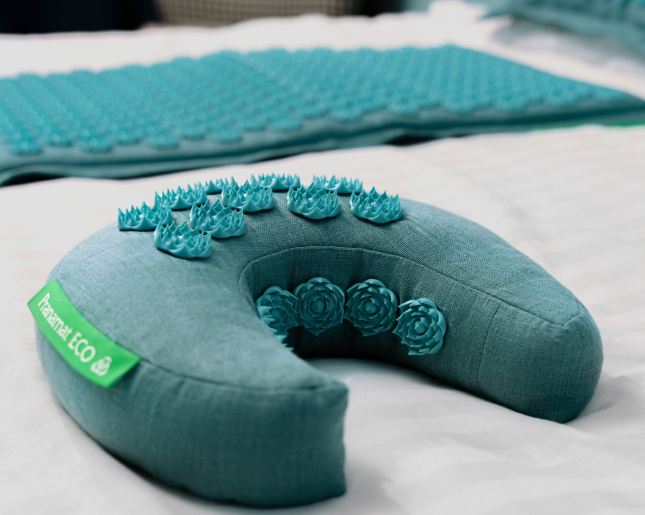
The Pranamat Approach: Somatic Reset Before Sleep
One way to support somatic release is through targeted physical stimulation.
Pranamat offers a structured way to do this.
Another effective method for somatic release before sleep is progressive muscle relaxation, which involves systematically tensing and relaxing different muscle groups to reduce physical tension and promote relaxation.
How It Works
When you lie on the mat:
- Hundreds of acupressure points stimulate the body
- Sensory input becomes the focus
- Attention shifts away from mental activity
- The mat can target each muscle group, helping to relax specific areas and promote overall relaxation
This creates a strong body-based experience.
Why It Supports Somatic Release
The intensity of the sensation can:
- Interrupt mental loops
- Draw awareness into the body
- Encourage muscle relaxation
Over time, this may help the body move from:
- Holding → releasing
- Activation → relaxation
Additionally, over time, somatic release practices may also help release trauma stored in the body. While talk therapy can be helpful for processing trauma, body-based approaches like somatic release may address nervous system patterns that talk therapy alone cannot resolve.
A “Somatic Reset”
Used before bed, it can act as a transition:
From:
- Cognitive activity
- Mental stimulation
To:
- Physical awareness
- Nervous system calm, which promotes relaxation and prepares the body for sleep
This shift from mental to physical focus can also influence brain waves, encouraging the slower oscillatory activity linked to relaxation and sleep.

What It Feels Like: From Holding to Letting Go
Before:
- Subtle tension you didn’t fully notice
- Restlessness in the body
- Difficulty settling
During:
- A sharp, tingling sensation
- Heightened awareness of the body
- Gradual softening
After:
- A sense of heaviness
- Muscles feel looser
- Breathing is slower
- The mind feels quieter without effort
This shift is often what people describe as the moment they realize how much tension they were holding.
A Simple Somatic Wind-Down Routine
You don’t need a complicated system to support somatic release. This routine is also effective for managing stress before bed, helping to prevent sleep disturbances caused by stress.
Here’s a simple routine:
1. Notice Your Body
Before doing anything, pause and ask:
- Where am I holding tension?
- What feels tight or activated?
Noticing and addressing tension can support not only better sleep but also your physical health, as reducing tension benefits both body and mind.
2. Create a Low-Stimulation Environment
- Dim lights
- Reduce noise
Put away screens. Screen time is a major factor in sleep disruption because exposure to blue light and stimulating digital content activates the nervous system and delays relaxation. Exposure to light and screens in the evening can also disrupt your circadian rhythm, making it harder to fall asleep.
3. Use Physical Relaxation (10–20 Minutes)
- Lie on Pranamat
- Focus on breathing: practice deep breathing and focus on exhale slowly. Diaphragmatic breathing involves inhaling deeply to expand the belly and exhaling slowly to activate the parasympathetic nervous system, which helps the body relax. The 4-7-8 breathing technique can also be used: inhale deeply through the nose for 4 seconds, hold the breath for 7 seconds, and exhale slowly through the mouth for 8 seconds. Practicing slow, deep breathing at a frequency of 0.1 Hz has been shown to improve sleep onset latency and quality in insomniacs. These breathing techniques can help promote non-REM sleep, which is important for restorative rest.
- Stay present with sensation
4. Allow Stillness
Allowing stillness after somatic exercises helps reinforce healthy sleep patterns by supporting the body’s transition into restful sleep. Allowing your body to remain still and relaxed can help your body temperature decrease slightly, which supports the transition into sleep.
5. Transition to Sleep
Move directly into bed without reactivating your system. A smooth transition into sleep supports healthy REM sleep cycles, which are important for emotional processing and overall sleep quality.
Getting enough sleep is essential for regulating stress, supporting neural recovery, and maintaining overall health and well-being.
FAQ
What is somatic release?
Somatic release involves using physical awareness and sensation to help the body release stored tension and stress. This process can also support releasing trauma stored in the body, as somatic techniques help signal safety to the nervous system and facilitate emotional healing.
Can physical tension cause insomnia?
Yes. Physical tension can keep the nervous system partially activated, making it harder to fall asleep and stay asleep.
If your sleep disturbances are accompanied by severe anxiety or panic attacks, it may be important to seek medical evaluation.
How do I relax my body before sleep?
Focus on:
- Physical relaxation techniques
- Reducing stimulation
- Creating a consistent wind-down routine
These techniques can help you progress through healthy sleep stages, which are important for feeling rested.
Does acupressure help with stress?
Acupressure may support relaxation by providing sensory input that helps shift the nervous system toward a calmer state.
Additionally, acupressure and breathing techniques may influence sleep quality through mechanisms involving the brain stem, which helps regulate neural activity during sleep.
Conclusion
At the end of the day, sleep isn’t just about turning off your thoughts.
It’s about letting go of what your body is still holding.
The tension in your shoulders.
The tightness in your back.
The subtle alertness that hasn’t fully faded.
Somatic release for sleep is about addressing that layer—the one beneath the mind.
It doesn’t require intensity.
Just awareness, consistency, and a willingness to shift your attention back into your body.
Because sometimes, better sleep doesn’t come from doing more.
It comes from finally letting go.