





 coupon
  Gift card


Sleep Apnea and Complementary Therapies: Supporting Your Recovery
Waking Up Tired After a Full Night
Some people spend eight hours in bed and still wake feeling drained. They may think they got enough sleep, yet their energy says otherwise. That disconnect is one reason sleep apnea is so frustrating. It breaks up sleep again and again, often without a person fully realizing it, and those repeated interruptions can affect mood, focus, and long-term health.
A bed partner may notice loud snoring, pauses in breathing, or sudden gasps during sleep. The person living with it may notice morning headaches, dry mouth, low energy, or a sense that their sleep never becomes truly restorative. In many cases, sleep apnea is not just a nuisance. It can influence oxygen levels, blood vessel health, and how the body recovers at night. This is why proper diagnosis matters, and why true recovery often starts with medical care.
At the same time, many people want to know what else may help with sleep while they follow their main treatment plan. That is where complementary care enters the conversation. Supportive routines, targeted comfort strategies, and practical lifestyle changes may help improve the overall sleep experience. They do not replace treatment. They may, however, make recovery feel more manageable.
What Sleep Apnea Actually Is
Sleep apnea is a sleep condition involving repeated breathing interruptions during sleep. In obstructive sleep apnea, tissues in the throat relax and narrow the airway, leading to airway blockage or partial collapse. That narrowing can reduce airflow, drop oxygen levels, and repeatedly pull the brain out of deeper sleep stages.
The result is fragmented sleep, even if the person does not fully wake each time. These breathing events may happen dozens of times in a single night, disrupting the rhythm of sleep and limiting restorative rest. Over time, untreated sleep apnea can contribute to high blood pressure, daytime exhaustion, poor concentration, and a higher burden on the cardiovascular system.
According to the Sleep Foundation, there are different types of sleep apnea, but the common thread is that the condition requires medical treatment and professional evaluation. It is not something to self-diagnose based on snoring alone, because other other symptoms and related health risks matter too.
Why It Disrupts Sleep So Deeply
When breathing pauses occur during sleep, the body reacts as if something urgent is happening. Oxygen levels drop, the nervous system becomes activated, and the brain briefly moves toward wakefulness so breathing can resume. Even when the person does not remember these events, the body does.
This means sleep apnea and sleep quality are tightly connected. Repeated breathing interruptions cause sleep fragmentation, reduce time spent in deeper stages of sleep, and leave a person feeling unrefreshed. That is a big reason daytime fatigue and sleep apnea are so closely linked. You can technically be in bed for a long time and still get poor-quality sleep.
People often describe this as sleeping all night but never feeling like they truly slept. That experience is not imagined. It reflects real disruption in sleep continuity and recovery.
Why Medical Treatment Comes First
Complementary support can be useful, but sleep apnea treatment support should always begin with proper diagnosis and medical guidance. A sleep study is often the key first step. It shows how often breathing interruptions occur, how low oxygen levels drop, and what kind of treatment may be needed.
For many people, CPAP is the foundation of care. This is why CPAP therapy support matters so much in any conversation about recovery. CPAP is not simply about comfort. It is about keeping the airway open, supporting airflow, and protecting the body during sleep.
Untreated sleep apnea can contribute to serious outcomes, including high blood pressure and cardiovascular strain. That is why a healthcare conversation should not be delayed. This is also where strong patient education matters. Understanding what the condition is, why it affects sleep, and what treatment is designed to do helps people follow through more consistently.
When Treatment Alone Does Not Solve Everything
Even when someone starts CPAP, they may still feel tense at bedtime, overstimulated at night, or frustrated by the disruption that sleep apnea has already created in their routine. That does not mean treatment is failing. It means sleep is complex.
Some people are physically exhausted but mentally alert. Others have congestion, discomfort, dry air irritation, or body tension that makes settling into sleep harder. Still others are adjusting emotionally to a new diagnosis. In these cases, complementary therapies for sleep apnea may help support comfort, consistency, and better sleep habits alongside medical care.
This is where the idea of a sleep apnea complementary approach becomes useful. The goal is not to replace therapy. The goal is to improve the context in which therapy works.
What Complementary Therapies Mean Here
When we talk about complementary therapies for sleep apnea, we mean approaches that may support comfort, routine, and relaxation while medical treatment remains primary. These may include lifestyle changes, sleep environment adjustments, body-based relaxation, and practical behavioral strategies that help the person prepare for sleep.
Some of these methods target tension. Some support nasal comfort. Some simply help the body settle before bed. All of them should be framed as supportive. They are not cures for sleep apnea. They may, however, offer natural support for sleep apnea by improving how a person experiences the hours before sleep and the quality of rest they get around treatment.

How Relaxation Supports Better Sleep
Many people with disrupted sleep also develop anticipatory tension around bedtime. They dread another bad night, which can make the body more alert. That is why relaxation techniques can be useful. They do not open the airway, but they may reduce stress and help create calmer conditions for sleep.
This matters because stress can worsen the subjective experience of poor sleep. When the body is tense, breathing feels less comfortable, the mind stays active, and falling asleep becomes harder. Reducing stress before bed may help improve how the person enters sleep, even though it does not replace treatment for airway blockage.
Physical relaxation is especially relevant here. When muscles in the neck, jaw, shoulders, and chest feel less guarded, the whole body often feels more ready for sleep.
Lifestyle Changes That May Help Support Recovery
There are several lifestyle changes often discussed in relation to sleep apnea recovery. One of the most important is weight management. Excess weight, especially around the neck, can put pressure on the airway, making it more likely to collapse during sleep. Because of that, maintaining a healthy weight may help reduce symptoms for some people.
In practice, losing weight may support natural support for sleep apnea, particularly in mild to moderate cases. Maintaining a healthy weight can keep airways clearer and reduce symptom burden. Research suggests that even modest weight reduction may improve snoring and overall sleep experience. For some people, losing weight is one part of a broader plan that helps improve treatment response and sleep apnea recovery.
Another important factor is movement. Regular exercise and consistent physical activity may help support breathing mechanics, cardiovascular health, and better sleep overall. Regular exercise may also help support a healthy weight, which is relevant for sleep apnea and sleep quality. Some evidence suggests that exercise may reduce symptom severity by improving muscle tone, resilience, and overall recovery. That is why lifestyle changes often include both nutrition and movement.
Alcohol, Sedatives, and Nighttime Breathing
What you do in the hours before sleep matters. Alcohol relaxes the throat muscles that help keep the airway open. When alcohol relaxes these tissues too much, breathing can become noisier, snoring may worsen, and the chance of airway narrowing increases during sleep.
Reducing or avoiding alcohol near bedtime is often recommended. It is one of the more practical lifestyle changes people can make, especially if symptoms seem worse after drinking. In the same way, sedating substances can sometimes worsen breathing interruptions at night, which is another reason sleep apnea treatment support needs a medically respectful approach.
Nasal Comfort and Airway Support
Breathing comfort matters. For some people, dry air and congestion make nighttime breathing more difficult. Supportive measures like a humidifier dry air strategy can be useful. In practical terms, using a humidifier to address dry air may soothe tissues in the nose and throat and make breathing more comfortable at night.
Likewise, keeping the nasal passages clear may help support airflow. If the nasal passages are irritated or congested, the person may feel more uncomfortable while trying to settle into sleep. A saline rinse or similar routine can sometimes help reduce irritation in the nasal passages, though the best option should be discussed with a healthcare provider, especially if symptoms are persistent.
Position, Airflow, and Sleep Quality
Body position can matter more than people think. Sleeping on the back may worsen sleep apnea in some adults because it allows the tongue and soft tissues to fall backward, increasing airway blockage. For some adults, side sleeping may help reduce breathing interruptions and improve comfort during sleep.
Elevating the head of the bed may also help support better airflow. Keeping the upper body slightly raised can sometimes reduce nighttime breathing obstruction and support a more comfortable sleep position. These small adjustments may not treat the underlying disorder, but they can be part of complementary therapies for sleep apnea that help improve comfort and sleep quality.
Oral Exercises and Breathing Practice
Some supportive strategies focus on the muscles involved in breathing. Oral exercises may help strengthen tissues that support the airway. These exercises are sometimes called oropharyngeal exercises and may include movements for the tongue, throat, and soft palate. In some people, consistent oral exercises may contribute to fewer apnea events over time.
Breathing practice can also play a role. Gentle breathing exercises may support awareness, calm the body, and improve how the person prepares for sleep. Some methods focus on diaphragmatic breathing, which may help with rib movement and overall respiratory mechanics. Better breathing patterns may support lung capacity, improve comfort, and reduce pre-sleep stress. Although they are not a replacement for primary treatment, these methods can fit naturally into sleep apnea treatment support.
Some people also explore singing or wind instruments because those practices may strengthen airway-related muscles. This is not a substitute for therapy, but it shows how body function and sleep can be more connected than they first appear.
Devices That May Be Part of Medical Care
Some individuals are prescribed mandibular advancement devices, which are oral appliances that help keep the airway more open during sleep. These are part of medically guided care and should be fitted through proper evaluation. They are not simply comfort gadgets.
This matters because sleep apnea treatment support often includes understanding what belongs in the medical lane and what belongs in the complementary lane. Mandibular advancement devices are treatment tools. Relaxation, body comfort, and routine optimization are supportive measures around them.
Stress, Comfort, and the Nervous System
Although sleep apnea is a breathing disorder, the experience of living with it also affects the nervous system. People often feel alert, frustrated, or worried at bedtime after repeated bad nights of sleep. That tension can make the whole process feel worse.
This is where relaxation and body-based support may help. If a person can reduce stress and soften physical tension before bed, they may not change the diagnosis, but they may change how the body receives sleep. This can make adherence easier and may help improve the overall experience of sleep apnea recovery.

The Pranamat Approach: Supporting Comfort Before Sleep
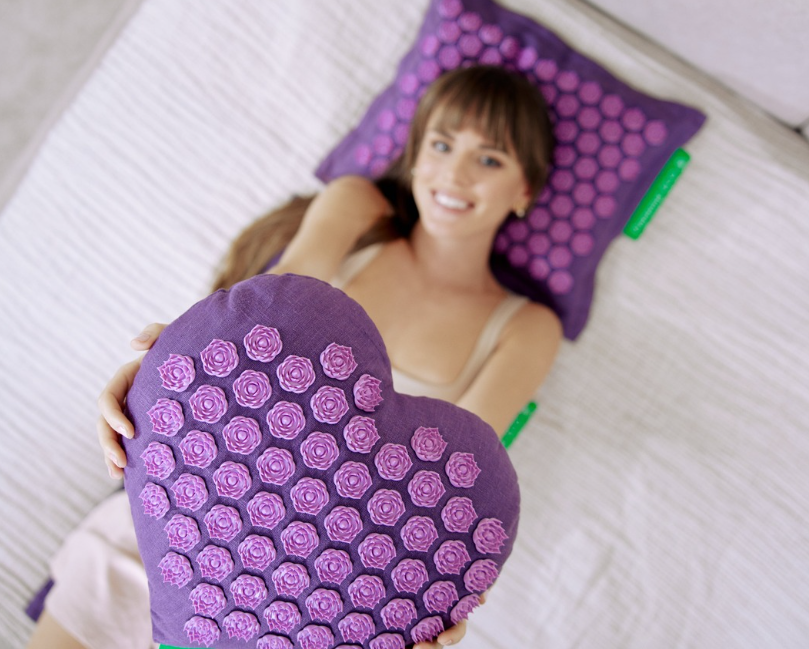
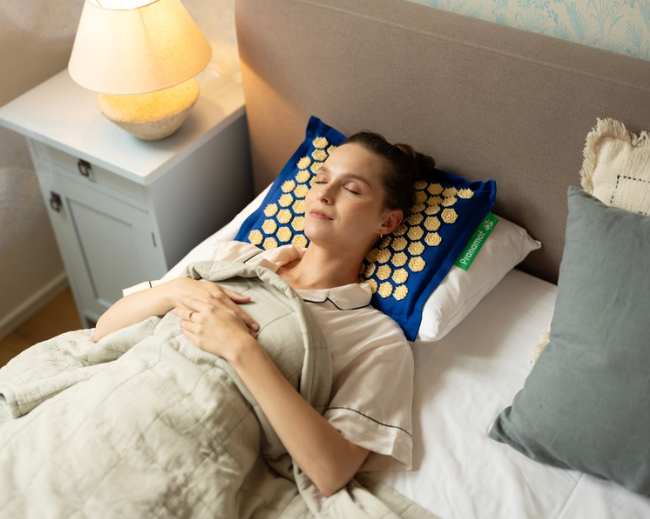
Pranamat belongs in the supportive category. It does not treat sleep apnea, and it should not be framed as a way to open the airway or replace CPAP. What it may do is help support physical comfort and relaxation before sleep.
Acupressure stimulation may help relax the body, reduce muscular tension, and make the transition into sleep feel calmer. For some people, this kind of pre-bed ritual can complement a nightly routine and support more settled rest. That is one way it may fit into natural support for sleep apnea and complementary therapies for sleep apnea without overstepping the role of medical care.
Because sleep apnea and sleep quality are influenced by both breathing and comfort, anything that safely improves comfort may help the overall experience, as long as it is discussed appropriately and not presented as a replacement for care.
Building a Supportive Night Routine
A practical evening plan might include using prescribed treatment consistently, reducing stimulation, and creating a calm environment before sleep. That may include managing room air, reducing congestion, supporting comfortable side sleeping, and using body-based relaxation before bed.
This is also where routines matter. A stable schedule helps the body anticipate sleep. A calm room, less alcohol, attention to breathing comfort, and regular follow-through all support the bigger picture. Over time, these habits may help improve sleep quality with sleep apnea and make better sleep feel more realistic.
When to Talk to a Healthcare Provider
Complementary methods should always be discussed in context. A healthcare provider can help determine whether symptoms are mild, moderate, or severe, whether a formal sleep study is needed, and whether other issues are involved. If daytime fatigue is significant, if snoring is loud, if pauses in breathing are witnessed, or if there are signs of cardiovascular strain, a healthcare provider should be involved early.
This is especially important because untreated sleep apnea can affect oxygen levels, blood vessel health, and long-term sleep recovery. A healthcare provider can also advise on which supportive strategies are reasonable alongside treatment.
FAQ
Can natural methods help with sleep apnea?
They may provide natural support for sleep apnea, but they do not replace diagnosis or treatment. Medical care remains primary.
What are complementary therapies for sleep apnea?
Complementary therapies for sleep apnea are supportive practices that may improve comfort, routine, and overall sleep experience alongside medical treatment.
Can relaxation improve sleep quality with sleep apnea?
Yes, relaxation may help improve sleep quality with sleep apnea by reducing tension and making the body more ready for rest, though it does not treat the airway problem itself.
Should I use natural methods instead of CPAP?
No. CPAP and other prescribed therapies remain the core of treatment. Supportive methods may complement care, not replace it.
The Takeaway
Living with sleep apnea can feel exhausting because the problem unfolds while you are asleep. It can lower oxygen levels, fragment sleep, and leave you fatigued even after a full night in bed. That is why medical diagnosis and treatment come first.
At the same time, supportive care matters. Thoughtful lifestyle changes, maintaining a healthy weight, regular exercise, clear nasal passages, attention to sleep position, and appropriate relaxation routines may all help improve comfort and support sleep apnea recovery. Used responsibly, these strategies may help improve sleep quality with sleep apnea, especially when combined with strong treatment adherence.
The most responsible path is a combined one: medical care first, supportive comfort second, and steady routines that help the body and mind work with treatment rather than against it.