





 coupon
  Gift card


How to Fall Asleep Fast: 5 Proven Methods for Insomniacs
Lying in bed, staring at the ceiling, replaying conversations from years ago or worrying about tomorrow’s to-do list—it’s a frustratingly familiar experience. You’re tired, your body feels heavy, but your mind refuses to switch off. Minutes stretch into hours, and the pressure to fall asleep only makes it harder. Difficulty sleeping is extremely common and can be a symptom of insomnia, which affects many adults.
This struggle comes down to something called sleep latency—the amount of time it takes to transition from full wakefulness to sleep. For most healthy adults, sleep latency is around 10–20 minutes. But when stress, habits, or your environment are out of sync, that window can stretch much longer. Excessive daytime sleepiness and daytime fatigue from poor sleep can lead to decreased motivation and focus.
If you’ve ever searched for how to fall asleep fast or hoped to fall asleep in 5 minutes, you’re not alone. The good news? There are practical, science-informed methods that can help reduce sleep latency. Not every method works for everyone—but with the right mix, you can train your body and mind to fall asleep more easily. Stress and anxiety are major causes of sleep difficulties, and underlying health conditions, such as depression or chronic pain, or a sleep disorder, can also contribute.
Achieving better sleep is important for both physical and mental health.
Why Falling Asleep Is Harder Than It Should Be
Falling asleep is not something you “force.” It’s something your body allows when the right conditions are in place. Trouble falling asleep is a common issue for many people, often caused by unwanted pre-sleep thoughts that make it difficult to relax and drift off.
Several factors can interfere with your ability to fall asleep, such as stress, caffeine, irregular sleep schedules, and environmental disturbances. When these issues persist, they can lead to sleep deprivation, which not only affects mental and physical well-being but also weakens the immune system if you regularly get less than six hours of sleep.
Establishing good sleep hygiene—daily habits and routines that support healthy sleep—can help manage these challenges and improve your overall sleep quality.
1. An Overactive Mind
Modern life keeps the brain constantly stimulated. Notifications, work stress, and information overload mean your mind doesn’t naturally power down at night.
This leads to:
- Racing thoughts
- Mental replaying of events
- Future-focused anxiety
Unwanted pre-sleep thoughts can interfere with sleep onset and negatively impact mental health, increasing the risk of issues like anxiety and depression.
According to sources like Healthline and Cleveland Clinic, this cognitive hyperactivity is one of the most common reasons people struggle with sleep latency.
To help quiet your mind, try practicing a "brain dump" by writing down your worries before bed to clear your mind and reduce unwanted pre-sleep thoughts.
2. Nervous System Imbalance
Your body operates on two main modes:
- Sympathetic (alert, “fight or flight”)
- Parasympathetic (calm, “rest and digest”)
To fall asleep, your body needs to shift into the parasympathetic state. Deep and slow breathing or slow breathing exercises can help shift your body into this restful state. Deep breathing exercises can help calm the nervous system and promote relaxation, making it easier to fall asleep. But stress, late-night stimulation, or even overthinking can keep your system stuck in alert mode.
3. Behavioral and Environmental Factors
Small habits can quietly sabotage your sleep:
- Irregular bedtimes
- Screen exposure before bed
- A room that’s too warm, bright, or noisy
Poor sleep habits, such as using screens before bed, can disrupt sleep and highlight the importance of practicing good sleep hygiene. Establishing a consistent sleep routine and creating the right sleep environment are key for optimal rest. Avoid screens at least 30–60 minutes before bed to allow melatonin production. Making your bedroom comfortable, quiet, and dark can significantly improve sleep quality.
Even subtle inconsistencies can train your brain to associate bedtime with wakefulness instead of rest.
The 5 Proven Methods to Fall Asleep Faster
Instead of relying on a single trick, it’s more effective to think in categories: mental relaxation, physical relaxation, and environmental support.
Here are five evidence-informed tricks to fall asleep—evidence-based relaxation techniques designed to help people fall asleep faster, promote relaxation, and improve sleep quality. Practicing good sleep hygiene can help set the stage for more effective relaxation and better-quality sleep overall.
Method 1: The Military Sleep Method
The military sleep method has gained popularity for its structured approach to relaxation. First described in Bud Winter's 1981 book 'Relax and Win: Championship Performance,' the military method was designed to help service members fall asleep quickly in stressful situations. It combines deep breathing, progressive muscle relaxation, and visualization to help you fall asleep quickly, even in noisy or high-pressure environments. The method claims to help individuals fall asleep in under two minutes, although there is no scientific evidence specifically proving its effectiveness. Practicing the military sleep method consistently for six weeks may help individuals master it.
How it works:
- Relax your face completely (including tongue and jaw)
- Drop your shoulders and release tension in your arms
- Exhale and relax your chest
- Relax your legs, thighs to feet
Clear your mind by:
- Imagining a peaceful scene, or
- Repeating a simple phrase like “don’t think”
Deep breathing, progressive muscle relaxation, and visualization techniques are all key components of the military sleep method. Deep breathing calms the nervous system, progressive muscle relaxation helps relax the body by releasing physical tension, and visualization techniques help clear the mind of distracting thoughts.
Why it helps:
This method trains your body to release tension progressively while quieting the mind—addressing both physical and cognitive barriers to sleep. Progressive muscle relaxation can help reduce pre-sleep anxiety and help people fall asleep faster, while visualization techniques can promote feelings of relaxation, reduce stress from restless thoughts, and aid in falling asleep faster.
However, it’s not an instant fix.
- It requires consistent practice
- Results tend to improve over weeks, not days
Think of it as building a relaxation skill, not flipping a switch.
Method 2: Controlled Breathing Techniques
Breathing is one of the fastest ways to influence your nervous system. Deep breathing and breathing exercises, especially when you breathe slowly from the diaphragm, can help you fall asleep by calming the nervous system. Deep breathing techniques can help you fall asleep faster by calming the nervous system and slowing your heart rate.
A popular technique is 4-7-8 breathing:
- Inhale for 4 seconds
- Hold for 7 seconds
- Exhale slowly for 8 seconds
Repeat for 4–6 cycles.
Why it works:
Slow, controlled breathing:
- Activates the parasympathetic nervous system
- Lowers heart rate
- Signals safety to the brain
Practicing slow breathing and deep breathing exercises can promote sleep by calming the nervous system and promoting relaxation, making it easier to fall asleep.
Cleveland Clinic notes that breathwork can help regulate stress responses and promote a relaxation response (https://health.clevelandclinic.org/4-7-8-breathing).
When to use it:
- When your body feels tense
- When anxiety is preventing sleep
As part of a bedtime routine, since breathing exercises are a relaxation technique that can help people fall asleep faster when practiced regularly.
It’s simple, portable, and effective—though like any technique, it works best with consistency.

Method 3: Cognitive Offloading (Quieting the Mind)
If your biggest challenge is mental chatter, this method is essential.
The goal is to move thoughts out of your head and into a structured outlet. Imagery versus general distraction is an important distinction here—imagery-based techniques, such as visualizing calming scenes or objects, are often more effective than general distraction methods for quieting the mind before bed. Mindfulness meditation is another powerful approach that can help reduce stress and improve sleep quality by encouraging relaxation and focusing your attention on the present moment.
A specific technique called cognitive shuffling involves distracting racing thoughts by visualizing random objects for each letter of a chosen word, which can help you sleep quickly. Using these methods not only helps you fall asleep fast but also enhances your overall sleep quality.
Practical approaches:
1. Journaling
- Write down worries or tasks for tomorrow
- Create a “brain dump” list
2. Mental imagery
- Picture a calming scene, such as a peaceful beach or meadow, using all your senses to make it vivid
- Visualization techniques like imagining calming scenes can help reduce anxiety and promote relaxation for better sleep
3. Body scan meditation
- Focus attention on different areas of your body, noticing sensations in a non-judgmental way to promote calm and well-being
4. Structured thinking
- Count backwards slowly
- Mentally list categories (e.g., animals, cities)
Why it helps:
Racing thoughts persist because the brain is trying to “resolve” unfinished business. By externalizing or redirecting thoughts, you reduce mental stimulation.
Visualization techniques and mindfulness meditation can help reduce unwanted pre-sleep thoughts, promote relaxation, and aid in falling asleep faster. Healthline highlights that cognitive techniques like these can reduce sleep latency by lowering pre-sleep arousal.
Method 4: Environmental Optimization
Your sleep environment plays a bigger role than most people realize. Sleep hygiene encompasses the basic steps to improving sleep quality, and creating the right sleep environment is essential. Making your bedroom comfortable, quiet, and dark can improve sleep quality. Using blackout curtains or earplugs can help optimize the sleeping environment, and keeping your room dark can help promote sleepiness. Investing in comfortable bedding and decluttering your sleeping space can reduce stress and make your space more relaxing and inviting for sleep.
Even perfect relaxation techniques can struggle in a poorly optimized space.
Key factors:
1. Light
- Keep your room dark
- Avoid screens 30–60 minutes before bed
- Natural light exposure during the day helps regulate your circadian rhythm, supporting healthy sleep patterns.
2. Temperature
- Ideal range: ~18–20°C (64–68°F)
- Cooler environments support sleep onset
- Temperature regulation, such as taking a warm bath before bed, helps signal sleepiness to your circadian rhythm.
3. Noise
- Use white noise if needed
- Minimize sudden disruptions
4. Bed association
- Use your bed only for sleep (and intimacy)
- Avoid working or scrolling in bed
- Go to bed and wake up at the same time daily to train your circadian rhythm.
Why it matters:
Your brain forms associations quickly. A consistent, calming sleep environment trains your body to recognize when it’s time to wind down. Practicing good sleep hygiene and creating the right sleep environment are essential for achieving better sleep quality.
Method 5: Physical Relaxation Through Sensory Input
Many sleep techniques focus on the mind—but not everyone responds well to mental strategies. Regular physical activity can improve sleep quality by regulating circadian rhythms, increasing sleep drive, and reducing stress and anxiety. While some people turn to sleep aids for help, these are generally not recommended as a first-line or long-term solution for sleep difficulties; instead, behavioral and lifestyle changes are preferred to improve sleep.
This is where physical relaxation tools come in.
The idea:
Instead of trying to “think your way to sleep,” you engage the body directly.
One effective physical relaxation technique is progressive muscle relaxation, which involves tensing and then relaxing different muscle groups to reduce pre-sleep anxiety and help you fall asleep faster.
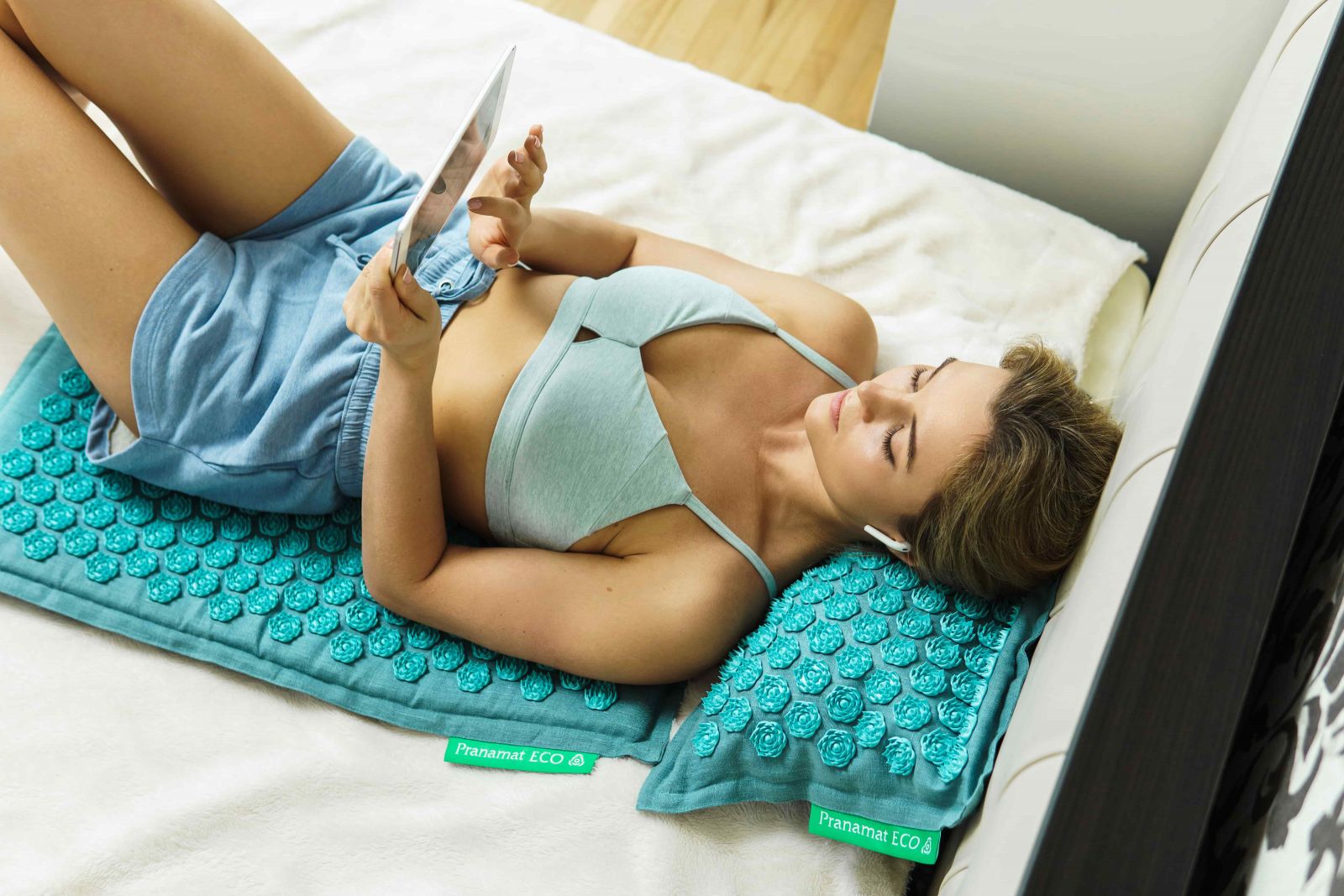
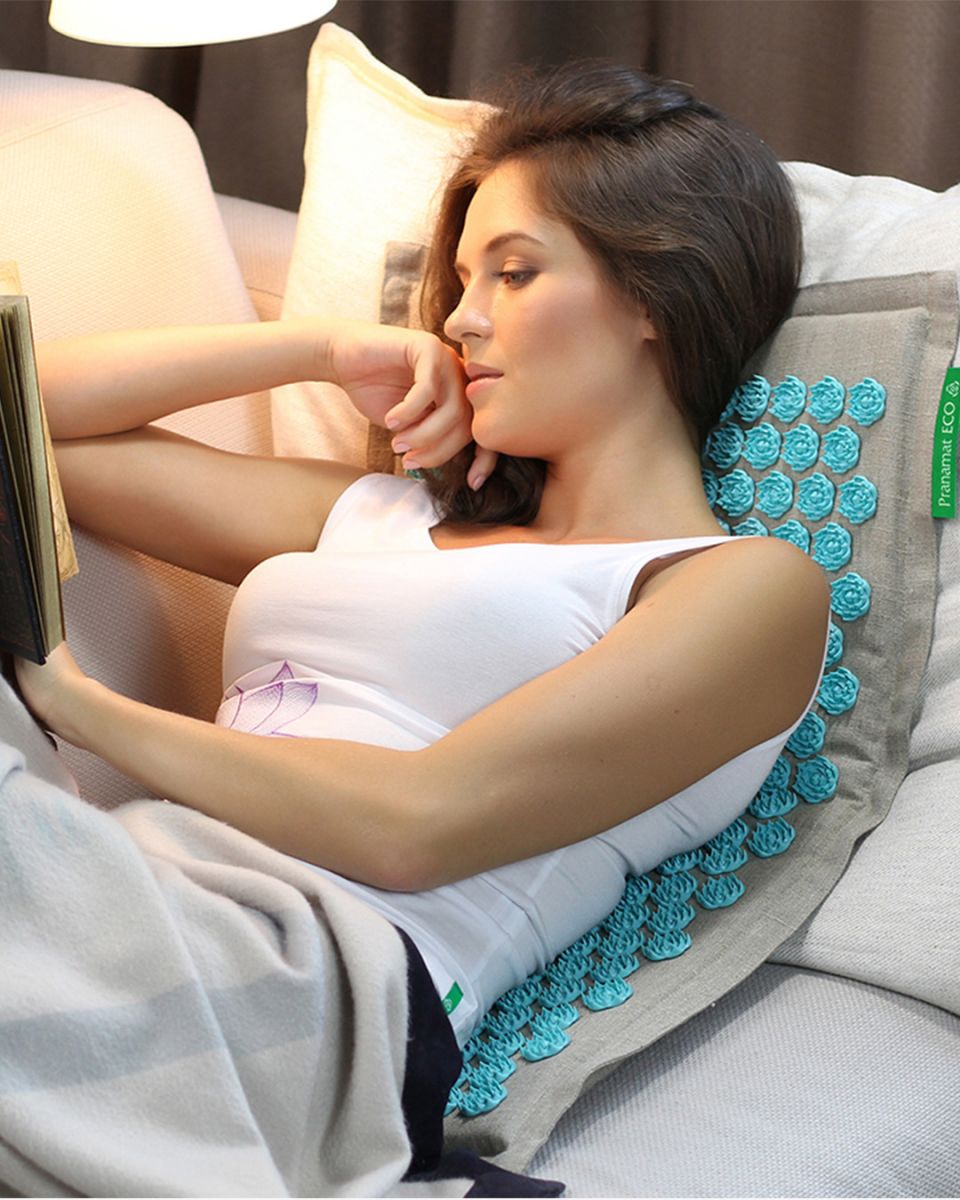
One example is using a Pranamat acupressure mat.
How it works:
The mat provides intense tactile stimulation
This sensation can:
- Draw attention away from racing thoughts
- Encourage muscle relaxation
- Create a grounding, body-focused experience
Physical relaxation techniques, such as acupressure, can promote sleep and help people fall asleep quickly by calming both the body and mind.
Some users report that this physical input helps them transition from mental overactivity to bodily calm.
Why this approach is different:
- Provide immediate sensory input
- Help shift attention naturally
- Offer more immediate body feedback
Important note:
- This isn’t a guaranteed or instant solution
- Effects vary between individuals
- It works best as part of a broader routine
But for people who struggle with overthinking, body-based relaxation can be a powerful complement to cognitive methods.
How to Combine These Methods Into a Night Routine
The most effective approach is not choosing one method—but stacking them into a consistent sleep routine. Establishing a regular sleep routine helps regulate your body's internal clock and supports better quality sleep. Practicing good sleep hygiene can also set the stage for more effective relaxation and better-quality sleep overall.
Here’s a simple 15–20 minute example:
Step-by-step routine:
1. Environment setup (2–3 minutes)
- Dim lights
- Adjust room temperature
- Put devices away
2. Physical relaxation (5–10 minutes)
- Lie on Pranamat or stretch gently
3. Cognitive offloading (3–5 minutes)
- Journal or list tomorrow’s tasks
4. Breathing technique (2–3 minutes)
- Practice 4-7-8 breathing
5. In bed: military sleep method
- Progressively relax your body
- Use imagery to quiet the mind
This layered approach addresses:
- The body
- The mind
- The environment
Together, they create the conditions needed for sleep.
If you continue to have trouble falling asleep, consider consulting a sleep medicine specialist for professional evaluation and treatment. You can also seek support or resources from health and human services agencies, which often provide programs and guidance to improve sleep health and overall well-being.
_compressed_compressed%20(1)%20(1)%20(1).jpg)
Common Mistakes That Keep You Awake
Even with the best techniques, certain habits can quietly undermine your progress.
- Caffeine Consumption: Drinking caffeine late in the day can interfere with your sleep cycles. Caffeine can take up to eight hours to wear off, so consuming it in the afternoon or evening may make it harder to fall asleep fast and reduce your overall sleep quality.
- Alcohol Use: While alcohol might initially make you feel sleepy, it can actually worsen sleep quality and increase the risk of sleep disturbances throughout the night.
1. Using Screens Before Bed
Blue light and stimulation from phones or laptops:
- Delay melatonin production
- Keep your brain alert
Avoiding blue light from electronic devices before bed is an important part of good sleep hygiene, as blue light inhibits melatonin production and can disrupt your ability to fall asleep fast.
2. Inconsistent Sleep Schedule
Going to bed at different times confuses your internal clock.
Consistency trains your body when to feel sleepy. Maintaining a consistent sleep schedule helps regulate your circadian rhythm and ensures you get enough sleep for optimal health.
3. Trying Too Hard to Sleep
Ironically, effort can backfire.
When you think:
“I need to fall asleep now”
You increase pressure and stress—keeping your nervous system alert. Anxious and depressive thoughts can further heighten this pressure and stress, making it even harder to fall asleep.
4. Staying in Bed Awake Too Long
If you’re awake for more than ~20 minutes:
- Get up
- Do something calming in low light
Lying awake in bed can make it harder to stay asleep throughout the night, as your brain may start to associate the bed with wakefulness instead of rest.
This prevents your brain from associating the bed with wakefulness.
FAQ: Falling Asleep Faster
How long should it take to fall asleep?
For most adults, 10–20 minutes is considered normal for how quickly people fall asleep. Most people fall asleep within this time frame, and if it regularly takes longer than 30 minutes, it may indicate issues with sleep latency or an underlying problem.
Why can’t I fall asleep even when I’m tired?
This often happens when:
- Your mind is overstimulated
- Your nervous system is still in alert mode
- Your environment isn’t optimized
- You have excessive daytime sleepiness or an underlying health condition that affects your ability to fall asleep
Being physically tired doesn’t always mean your brain is ready for sleep.
Is it bad to lie in bed awake?
Yes—if it happens frequently.
Lying awake in bed can:
- Increase frustration
- Strengthen the association between bed and wakefulness
If you frequently lie awake in bed, it may be a sign of an underlying sleep issue that should be addressed.
If you can’t sleep, it’s better to briefly get up and reset.
Conclusion: Finding What Works for You
If you’re struggling with how to fall asleep fast, the answer isn’t a single magic trick—it’s a combination of strategies that work with your body and mind.
Some people respond best to:
- Breathing techniques
- Cognitive methods
- Others benefit more from:
- Physical relaxation
- Environmental adjustments
Most people need a mix.
The key is experimentation and consistency.
By focusing on better sleep hygiene and establishing consistent routines, you can achieve quality sleep and enjoy a good night's sleep. Over time, these methods can help reduce sleep latency, quiet racing thoughts, and make falling asleep feel less like a nightly battle—and more like a natural transition.