





 coupon
  Gift card


Acupressure vs. Supplements: Natural Relaxation for Sleep Matters
If you’ve ever struggled with sleep, you’ve probably tried at least one supplement—maybe magnesium, melatonin, or a calming herbal blend. Some people also turn to alcohol to help them fall asleep, but while it may induce sleepiness initially, it can disrupt sleep quality later in the night.
Sometimes they help. Sometimes they don’t.
And that inconsistency can be frustrating.
What often gets overlooked is this: not all sleep problems are biochemical. Some are physical.
If your body is holding tension—especially in your neck, shoulders, or lower back—no amount of supplementation alone may fully solve the issue.
This is where the conversation shifts from what you take to what you feel in your body. The mind body connection plays a crucial role in natural relaxation for sleep, as integrating awareness of both mental and physical states can help reduce stress and promote holistic well-being. And it introduces a powerful comparison: natural vs chemical sleep aids, or more precisely—ingestion vs physical intervention.
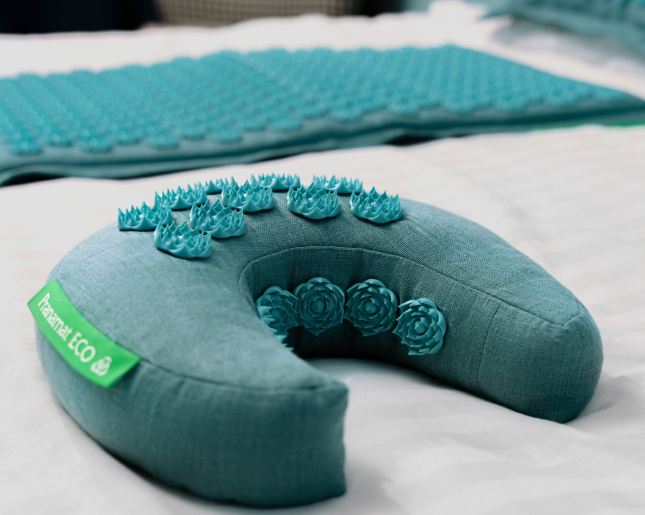
Two Paths to Sleep: Chemical vs Physical
There are two primary ways to influence sleep:
1. Chemical (Supplement-Based) Support
This includes:
- Magnesium
- Melatonin
- Herbal sleep aids
These work internally, supporting:
- Hormonal balance
- Neurotransmitter activity
- Circadian rhythm alignment
2. Physical (Body-Based) Relaxation
This includes:
- Stretching
- Massage
- Acupressure
Techniques such as progressive muscle relaxation (PMR) and body scan meditation are also commonly used to release tension and enhance awareness of the mind-body connection. PMR involves tensing and relaxing different muscle groups to reduce physical tension, while a body scan can help boost your awareness of the mind-body connection.
These work externally, through:
- Sensory input
- Muscle relaxation
- Nervous system signaling
Both aim to reduce stress and promote sleep—but they operate through completely different pathways.
Understanding this difference is key to finding what actually works for you.

The Role of Muscle Tension in Sleep Problems
Sleep is not just a mental process—it’s deeply physical.
Even if your mind feels tired, your body may still be holding:
- Tight shoulders
- A stiff lower back
- Subtle muscle contraction
- Uncomfortable body sensations
Muscle tension can also lead to pain, which further disrupts sleep quality.
According to the Sleep Foundation, physical discomfort and tension can interfere with sleep onset and reduce sleep quality.
How Tension Affects Sleep
When muscles remain tight:
- The nervous system stays partially activated
- The body doesn’t fully enter a relaxed state
- Heightened physical sensations make it harder to relax
- Falling asleep becomes harder
Symptoms like restlessness, discomfort, or pain can indicate that the body is not fully relaxed and ready for sleep.
This is especially common in people with:
- Sedentary lifestyles
- High stress levels
- Poor posture
In these cases, sleep issues are not just about brain chemistry—they’re about physical readiness for rest.
Why Supplements Don’t Always Solve the Problem
Supplements can be incredibly helpful—but they have limitations. While supplements are a common treatment for sleep issues, they may not address physical sources of tension.
What Supplements Do Well
They support:
- Internal relaxation processes
- Neurotransmitter balance
- Sleep timing (especially melatonin)
Where They Fall Short
They do not:
- Release muscle tension directly
- Address physical discomfort
- Change body positioning or posture
So if your sleep issue is partly mechanical—such as tension in the back or neck—supplements may only provide partial relief.
This is why many people experience:
- Some improvement, but not full resolution
- Continued restlessness despite supplementation
The Power of Physical Relaxation
Physical relaxation works in a different direction:
Body → Brain
Instead of changing internal chemistry first, it uses sensory input to influence the nervous system. By doing so, physical relaxation techniques help regulate the body’s stress response, reducing the automatic physiological reactions like increased heart rate and muscle tension that can interfere with sleep. These methods are designed to decrease stress and anxiety by targeting the body's physiological responses. Relaxation techniques are therapeutic exercises intended to decrease tension and anxiety, supporting both physical and mental well-being.
How Somatic Sleep Support Works
Somatic approaches (body-based methods), such as somatic therapy, can:
- Signal safety to the nervous system
- Reduce physical tension
- Interrupt mental overactivity
Paying attention to bodily sensations can help individuals identify underlying issues that may be affecting their sleep. Somatic therapy empowers individuals to listen to their bodies, fostering a deeper connection with themselves.
This creates a cascade effect:
- Muscles relax
- Breathing slows
- The mind follows
Johns Hopkins Medicine notes that relaxation techniques involving the body can significantly influence stress levels and sleep readiness.
Why This Matters
If your body remains tense, your brain receives signals that you’re not fully at rest.
Physical relaxation helps complete that loop.
In addition to supporting better sleep, physical relaxation also contributes to your overall well-being by promoting mental, emotional, and physical balance.
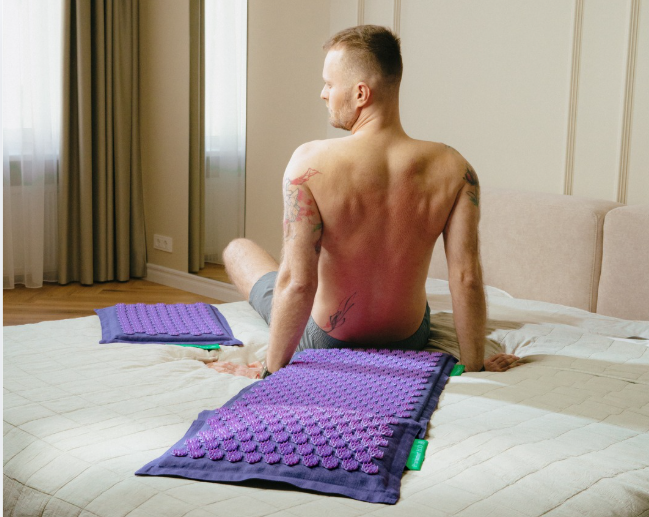
Mechanical vs Chemical Relaxation: A Functional Difference
To simplify:
Mechanical relaxation methods, such as deep breathing or progressive muscle relaxation, focus on physically calming the body. Techniques such as meditation and guided imagery are also effective for promoting relaxation and preparing the body for sleep. Guided imagery is a relaxation exercise intended to assist patients with visualizing a calming environment. Chemical relaxation involves using substances like herbal teas or supplements to promote relaxation. Each approach has its own advantages and can be effective depending on individual needs.
Combining both mechanical and chemical relaxation approaches offers additional benefits, such as enhanced stress management, reduced tension, and improved overall well-being, making it easier to achieve natural relaxation for sleep.
Chemical Relaxation
- Internal
- Works through biochemistry
- Slower, cumulative
Mechanical (Physical) Relaxation
- External
- Works through direct stimulation
- Often immediate in sensation
- Includes mechanical relaxation techniques such as progressive muscle relaxation, which involves tensing and relaxing muscle groups from the feet to the face to reduce physical tension and alleviate anxiety
These approaches are not competitors—they’re complements.
Each addresses a different layer of the sleep process.
The Missing Link: Releasing Physical “Blockages”
One way to think about sleep difficulty is through the idea of mechanical barriers.
These aren’t medical conditions—they’re physical patterns.
For example:
- Tight back muscles preventing full relaxation
- Shoulder tension keeping breathing shallow
- Subtle discomfort keeping the body alert
These blockages can manifest as symptoms such as discomfort, restlessness, or trouble falling asleep. As clients become more attuned to their bodily sensations, they can gain insights into the underlying causes of their anxiety and insomnia.
These physical patterns can be underlying causes of sleep problems, making it important to identify and address them for more effective natural relaxation for sleep.
Even small amounts of tension can delay sleep onset.
This creates a situation where:
- Your mind is ready for sleep
- But your body isn’t fully letting go
Addressing these “blockages” can make a noticeable difference.

The Pranamat Approach: Physical Preparation for Sleep
This is where acupressure-based tools like Pranamat come in. Other gentle movement practices, such as tai chi, can also promote relaxation and prepare the body for sleep.
How It Works
When you lie on the mat:
- Multiple acupressure points stimulate the skin
- Sensory signals travel through the nervous system
- Muscles begin to release tension
This may support:
- Relaxation in the back and neck
- Improved circulation
- Nervous system downregulation
Why It’s Different
Unlike supplements, this approach:
- Doesn’t rely on ingestion
- Provides direct physical input
- Engages the body immediately
It’s a form of somatic sleep support—preparing the body physically for rest.
Where It Fits
Pranamat is best viewed as:
- A pre-sleep preparation tool
- A complement to broader sleep strategies

Combining Physical and Chemical Approaches
The most effective sleep strategies often combine both pathways. Incorporating gentle physical activity, such as yoga, into your routine can help release built-up stress and promote relaxation before sleep. Combining physical and chemical approaches can help improve sleep quality.
Why Integration Works
- Supplements support internal balance
- Physical methods address external tension
Together, they create a more complete system that helps reduce stress and supports quality sleep.
Example Combination
- Magnesium → supports relaxation internally
- Acupressure → releases physical tension
- Consistent schedule → reinforces circadian rhythm
These steps should be done as part of your routine before bedtime to help prepare your body and mind for sleep.
This layered approach addresses:
- Timing
- Chemistry
- Physical readiness
A Practical Pre-Sleep Routine
Here’s a simple routine that integrates both approaches. Engaging in calming activities before bedtime, such as taking a bath, can promote better sleep and help with managing stress. By incorporating these steps into your daily life, you can better manage stress and support natural relaxation for sleep.
1. Mental Wind-Down (30–60 Minutes Before Bed)
- Dim lights
Lowering the brightness in your environment signals your body that it’s time to wind down. Dimming lights in the evening can help your mind relax and prepare for sleep. - Reduce screen exposure
Avoiding screens before bed is important because the blue light emitted can disrupt your natural sleep cycle. Reducing screen exposure and dimming lights can also help minimize intrusive thoughts, which often become more prominent at night and interfere with relaxation.
If you continue to have trouble sleeping despite following these steps, it may be a sign of an underlying issue that requires professional attention.
2. Optional Supplementation
- Magnesium (if appropriate)
3. Physical Relaxation (10–20 Minutes)
- Gentle stretching
- Deep breathing exercises: Taking slow, deep breaths can help activate the parasympathetic nervous system, promoting relaxation and preparing your body for sleep.
- Use Pranamat to release tension

4. Low-Stimulation Environment
A quiet, cool, and dark room is essential for natural relaxation for sleep. Reducing noise, lowering the temperature, and blocking out light can help signal to your body that it’s time to wind down. Consider blackout curtains, earplugs, or a white noise machine to minimize disruptions.
Creating a low-stimulation environment like this supports rejuvenating sleep by allowing your mind and body to fully relax and recover overnight.
5. Consistency
Sleep improves through repetition. Small habits, done daily, shape long-term results. Consistency with these routines leads to better sleep over time.
FAQ
Are natural supplements effective for sleep?
Yes, especially for supporting internal processes like relaxation and circadian rhythm. However, they may not address physical tension.
What are physical relaxation techniques for sleep?
Examples include:
- Stretching
- Massage
- Acupressure
- Breathing exercises
- Guided imagery (mental visualization of calming environments, engaging all five senses, and often used to manage stress)
These help prepare the body for rest.
Can muscle tension affect sleep quality?
Absolutely. Tension can keep the nervous system partially activated, making it harder to fall asleep and stay asleep.
Should you combine supplements and physical methods?
In many cases, yes. Combining approaches can address both biochemical and physical aspects of sleep. Addressing both physical and mental health is key to achieving a good night's sleep and overall well-being.

Conclusion
Sleep is not a single-system problem.
It involves:
- Brain chemistry
- Nervous system state
- Physical tension
- Behavioral patterns
This is why the conversation around natural vs chemical sleep aids is evolving.
It’s no longer about choosing one over the other.
It’s about understanding how:
- Supplements support internal processes
- Physical relaxation techniques prepare the body
When you address both, sleep becomes less of a struggle—and more of a natural outcome that supports your overall well-being and a more balanced life.
Because sometimes, the missing piece isn’t what you take.
It’s what your body needs to let go. Practicing natural relaxation for sleep can foster a deeper sense of rest and restoration, enhancing your experience of life as a whole.