





 coupon
  Gift card


Lower Back Pain at Night: Causes and Drug-Free Relief
Lower back pain has a frustrating way of showing up right when you’re trying to rest. After a long day, you finally lie down—only to become more aware of that dull ache or sharp tension in your lower spine. What felt manageable during the day suddenly feels amplified at night.
This isn’t your imagination. Lower back pain at night often becomes more noticeable due to a combination of physical and neurological factors. The good news is that in many cases, the root causes are not structural damage but biomechanical habits and daily patterns—which means there are practical, drug-free ways to improve how your back feels before bed.
There are two main categories of back pain: mechanical and inflammatory. Lower back pain at night can stem from poor sleeping positions, unsupportive mattresses, muscle strain, or conditions like sciatica and spinal stenosis.
This guide breaks down why nocturnal back pain happens and how to create a nightly routine that supports real relief.

Why Lower Back Pain Gets Worse at Night
Nighttime changes how your body processes discomfort. Several key factors contribute to this shift:
1. Fewer distractions: During the day, your brain is occupied—work, movement, conversations. At night, when everything quiets down, your nervous system becomes more aware of internal sensations, including pain.
2. Prolonged static positions: Lying in one position for extended periods can place continuous pressure on the same tissues, especially if your posture isn’t well supported.
3. Reduced movement and circulation: Movement helps circulate blood, oxygen, and nutrients. At night, reduced motion can slow this process, making stiffness and discomfort more noticeable.
4. Increased nervous system sensitivity: According to the Sleep Foundation, your perception of pain can increase at night due to changes in circadian rhythms and reduced cortisol levels, which normally help regulate inflammation.
Together, these factors explain why lower back pain at night can feel more intense—even if the underlying issue hasn’t changed. For some people, pain is worse at night, and this pain worse experience can be particularly frustrating. Nocturnal back pain often behaves counterintuitively, improving with movement and worsening with rest.
Common Causes of Nocturnal Back Pain
Sedentary Lifestyle & Muscle Stiffness
Modern routines often involve hours of sitting—at desks, in cars, on couches. Over time, this creates:
- Tight hip flexors
- Weak glutes
- Reduced mobility in the lumbar spine
This imbalance contributes to muscle stiffness, which becomes more apparent when you stop moving. As the Mayo Clinic notes, prolonged inactivity can lead to muscular imbalances that strain the lower back.
Poor Mattress or Sleep Setup
Your sleep environment plays a major role in sleep ergonomics.
If your mattress is:
- Too soft → your spine may sag
- Too firm → pressure points may increase
A medium-firm mattress is often recommended to provide adequate support for the spine.
Or if your pillow doesn’t support your sleeping position, your spine can fall out of alignment—putting stress on the lower back.
Sleep posture adjustments can help manage lower back pain while sleeping and maintain neutral spinal alignment. Consider the following tips for different sleeping positions:
- Side sleepers should place a firm pillow between their knees to maintain hip alignment.
- Back sleepers should place a pillow under their knees to maintain the natural curve of their lower back.
- Stomach sleepers should use a thin pillow under the pelvis to reduce lower back strain.
Spinal Alignment Issues
The lower back naturally curves inward, known as lumbar lordosis. This curve helps distribute weight and absorb shock.
When this natural curvature isn’t supported during sleep:
- Muscles must compensate
- Ligaments experience strain
- Pressure builds in the lower spine
Over time, poor spinal alignment can contribute to persistent discomfort at night.

Inflammation and Reduced Circulation
At night, your body shifts into recovery mode—but circulation slows compared to active hours.
If inflammation is present:
- Reduced blood flow can delay recovery
- Tissues may remain stiff
- Pain signals may persist longer
Inflammatory back pain is characterized by pain that worsens with rest and improves with movement. Episodes of increased pain, known as a flare up, are common and can improve with gentle movement. Staying active through movement can improve circulation and reduce stiffness in the back.
This is why improving circulation and recovery before bed can make a noticeable difference.
Chronic Conditions and Back Pain
Chronic conditions are a significant factor behind nocturnal back pain, often making nighttime back pain more persistent and challenging to manage. Unlike occasional discomfort from a long day or poor posture, chronic pain is frequently linked to underlying medical conditions that affect the spine and surrounding tissues.
Inflammatory back pain is a hallmark of conditions like ankylosing spondylitis and other forms of inflammatory arthritis. These conditions can cause ongoing inflammation in the spinal column and sacroiliac joints, leading to symptoms such as morning stiffness, sharp pain, and a dull ache that may worsen at night. Inflammatory back pain often disrupts sleep, making it difficult to get a good night’s sleep and leaving you feeling fatigued the next day.
Mechanical back pain is another common culprit, often resulting from disc degeneration, spinal stenosis, herniated discs, or poor posture. These issues can create muscle tension and put extra strain on the lower back, especially when lying in certain positions. Over time, chronic conditions like these can lead to persistent discomfort, limited mobility, and even numbness or tingling in the legs.
The impact of chronic pain goes beyond physical discomfort. Poor sleep caused by pain at night can disrupt your body’s natural recovery processes, increase inflammation, and negatively affect your overall well-being. In fact, chronic conditions that cause back pain at night have been linked to a higher risk of other health problems, such as heart disease, if left unmanaged.
Managing chronic back pain requires a comprehensive approach. Working with a healthcare provider or physical therapist can help you develop a personalized treatment plan tailored to your specific needs. Physical therapy is often recommended to ease muscle tension, improve spine health, and restore mobility. A physical therapist can guide you through gentle movement, targeted exercises, and stretches designed to strengthen your back and support your spine.
Lifestyle adjustments are also key. Maintaining regular physical activity, optimizing your sleep position, and ensuring your mattress provides enough support—ideally a firm mattress—can all help reduce symptoms. Chiropractic care and other therapies may be included in your treatment plan to address mechanical issues and promote pain relief.
If you’re living with a chronic condition that causes back pain at night, don’t hesitate to seek professional guidance. Most instances of chronic back pain can be managed with the right combination of medical treatment, physical therapy, and lifestyle changes. By addressing the underlying condition and making thoughtful adjustments, you can improve your sleep, reduce pain, and enhance your overall quality of life.

The Importance of Lumbar Support During Sleep
To understand effective relief, it helps to focus on one key concept: supporting the natural curve of your spine.
Your lower back isn’t meant to lie completely flat. The inward curve—lumbar lordosis—needs gentle support.
Without it:
- The spine flattens unnaturally
- Muscles engage to compensate
- Pressure accumulates in the lower back
With proper support:
- The spine stays in a neutral position
- Muscles can relax
- Tension is reduced
Simple adjustments—like placing a small support under your lower back or adjusting your sleep position—can help maintain this alignment throughout the night.
Drug-Free Ways to Relieve Lower Back Pain Before Bed
You don’t need medication to improve how your back feels at night. In fact, natural pain killers for sleep often come from simple, consistent habits. Exercise is an important part of managing lower back pain at night, as it can help reduce pain, improve mobility, and support better sleep quality.
1. Gentle Movement or Stretching
Instead of going straight from sitting to lying down, try 5–10 minutes of light movement:
- Cat-cow stretches
- Pelvic tilts
- Gentle spinal twists
This helps:
- Reduce stiffness
- Improve mobility
- Prepare the body for rest
2. Optimize Your Mattress and Pillow Setup
Focus on sleep ergonomics:
- Back sleepers: place a small support under the knees
- Side sleepers: use a pillow between the knees
- Ensure your mattress supports—not collapses under—your body
If your setup is working against you, even the best routines won’t fully help.
3. Use Positioning Techniques
Small changes can reduce strain:
- Slightly elevate legs to reduce lumbar pressure
- Avoid sleeping flat without support
- Adjust your position if you wake up with stiffness
4. Improve Circulation Before Sleep
Circulation plays a major role in recovery.
Try:
- A short walk after dinner
- Light stretching
- Warm showers
These help stimulate blood flow, supporting muscle relaxation and repair.

The Missing Piece: Pre-Sleep Muscle Conditioning
One of the most overlooked causes of nocturnal back pain is the transition from inactivity to sleep.
Going directly from:
sitting all day → lying down
…means your muscles never get a chance to reset.
This can lead to:
- Residual tension
- Poor circulation
- Increased sensitivity to discomfort
Pre-sleep muscle conditioning bridges this gap.
It doesn’t need to be intense—just intentional. The goal is to:
- Wake up the muscles gently
- Encourage blood flow
- Signal to the nervous system that it’s safe to relax
This is also where relaxation-focused tools can play a supportive role.
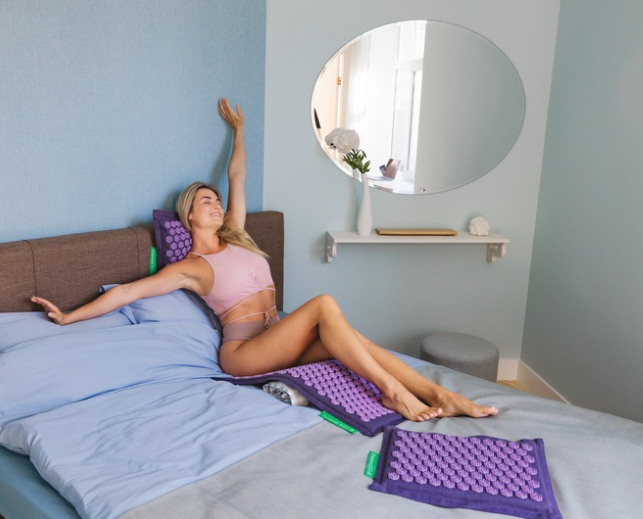
The Pranamat Lumbar Support Method
For those looking to enhance their evening routine, the Pranamat approach introduces a simple concept: combining support with stimulation.
By placing the mat—or a folded section—under the lumbar lordosis, you increase contact with acupressure points in the lower back.
This setup may:
- Encourage microcirculation
- Create a sensation similar to a gentle warming massage
- Help the lower back relax before sleep
Rather than acting as a treatment, it works as a supportive tool—helping the body transition from tension to rest.
Many people use it:
- Before bed as part of a wind-down routine
- During rest to maintain gentle lumbar support

A Simple Night Routine for Lower Back Relief
Consistency matters more than complexity. Here’s a practical routine you can follow:
1. Light movement (5–10 minutes)Loosen up after the day:
- Gentle stretches
- Slow mobility exercises
2. Circulation boost (optional)
- Short walk
- Warm shower
3. Lumbar support setup
- Prepare your sleep environment
- Add support where needed
4. Relaxation phase (10–20 minutes)
- Use tools like Pranamat for targeted lower back relaxation
- Focus on slow breathing
5. Low-stimulation wind-down
- Dim lights
- Avoid screens
- Transition into sleep
This routine helps align your body and nervous system for rest, supporting a good night's sleep for overall health and pain management.
Poor sleep can exacerbate pain symptoms and contribute to daytime fatigue.
FAQ
Why does lower back pain feel worse at night?
Pain often feels worse at night due to reduced distractions, increased nervous system sensitivity, and prolonged static positions. Circulation also slows, which can make stiffness more noticeable.
If your lower back pain wakes you up in the second half of the night, this could be a key sign of inflammatory back pain, as pain and stiffness from conditions like ankylosing spondylitis often worsen during this time.
What is the best way to sleep with lower back pain?
The best position depends on your body, but maintaining spinal alignment is key. Supporting the natural curve of your lower back and avoiding positions that strain the spine can help reduce discomfort.
Additionally, avoid strenuous exercise within two hours before bedtime, as vigorous activity close to sleep time can disrupt your sleep and make lower back pain at night worse.
Should I use support under my lower back?
Yes, in many cases. Supporting the lumbar lordosis helps maintain natural alignment and reduces strain on muscles and ligaments.
Are there natural ways to relieve back pain before sleep?
Absolutely. Effective natural pain killers for sleep include:
- Gentle movement
- Proper sleep setup
- Circulation-boosting activities
- Relaxation techniques
Consistency is more important than intensity.

Conclusion
Lower back pain at night is often less about serious injury and more about how your body moves—and doesn’t move—throughout the day.
Small, consistent adjustments can make a meaningful difference:
- Supporting your spine properly
- Improving circulation before bed
- Preparing your body for rest
Drug-free relief isn’t about quick fixes. It’s about creating the right conditions for your body to relax, recover, and reset.
With the right approach, nighttime can shift from a period of discomfort to a true opportunity for restoration.